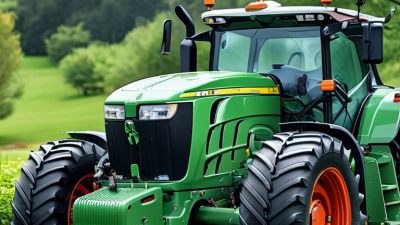
How to Choose the Best Small Tractor for Your Needs?

Choosing the right small tractor begins with your actual work, not a glossy brochure. A compact machine may look ideal on a dealer’s lot, yet struggle with wet soil, steep slopes, or a heavy trailer. Your property size, terrain, attachments, storage space, and operating experience all matter. Even a simple task, such as mowing two acres, can require different equipment than moving gravel or clearing snow.

Reliable buying decisions start with measurable details. Check engine horsepower, lift capacity, hydraulic flow, transmission type, turning radius, and ground clearance. Match these figures with your planned implements. A front loader needs enough lifting strength for full buckets, while a rotary cutter needs compatible power and width. Tire choice also changes performance. Turf tires protect lawns, but agricultural tires usually grip muddy ground better.

Small tractors are not identical. Dealer training, parts availability, warranty coverage, and service response can influence ownership more than a few extra horsepower. Ask to operate the tractor before purchasing. Notice pedal placement, visibility, vibration, seat comfort, and how easily attachments connect. Bring a list of real tasks, including the heaviest load you expect to move.

There is no perfect choice. Oversizing wastes money and storage space, while undersizing creates frustration and safety risks. Manufacturer manuals and independent specifications deserve careful comparison. Some recommendations may change after one season of use. A thoughtful evaluation helps you choose a dependable tractor that fits your land, budget, and long-term plans.
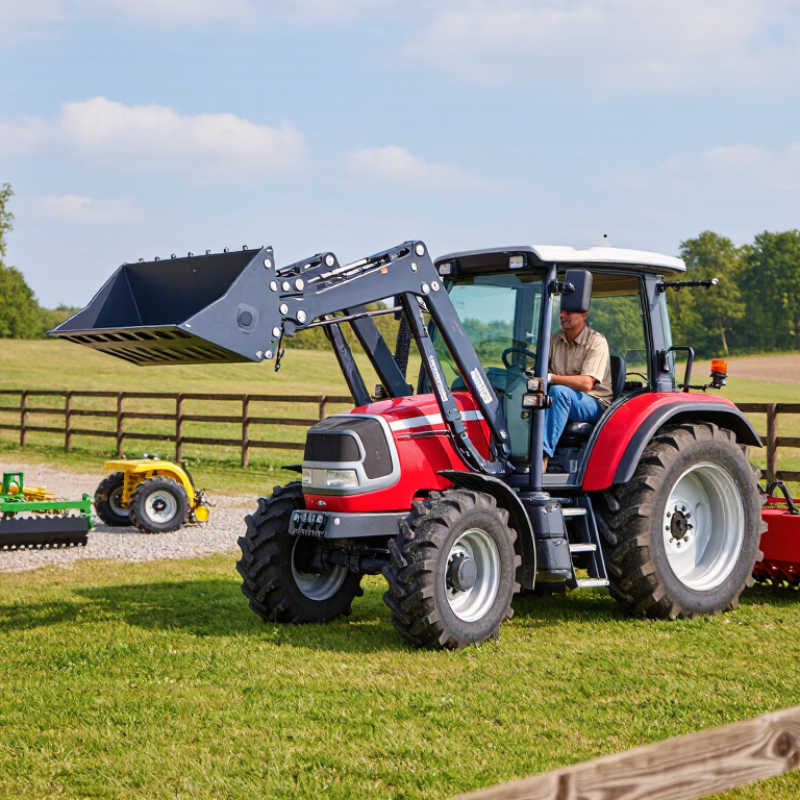
How to Choose the Best Small Tractor for Your Needs?

Define Your Small Tractor Tasks and Work Environment

Choosing the best small tractor starts with your actual tasks, not a glossy specification sheet. Walk around your property and list the work you perform each month. Mowing open grass requires different equipment from digging drainage channels or moving firewood. Note the load size, ground slope, soil condition, and working distance. Small details matter.

I once underestimated how often I would transport materials across wet ground. My tractor handled the engine work, but its narrow tires left deep marks. That mistake changed my planning. For soft soil, consider wider tires, suitable tread, and stable weight distribution. For steep areas, check the operator’s manual for slope limits. Leave room for error.

Your work environment also affects tractor size. A compact machine may fit between trees, gates, and storage buildings. However, a very small model can struggle with heavy attachments. Measure every entrance before buying. Check the turning radius and attachment clearance. Keep the rear implement in mind.

Match the hydraulic capacity and hitch rating to your planned tools. Ask a qualified equipment professional to verify compatibility. Test the controls from the seat, where visibility feels honest. Listen for awkward vibration. Can you reach the controls without twisting? Can you park it under cover? These questions seem minor, but daily comfort affects safe, consistent work. My own list missed storage space, and that was careless.

Match Tractor Size, Horsepower, and Lift Capacity to Your Needs

Choosing the best small tractor starts with the work, not the engine badge. Measure your typical tasks: mowing two acres, moving gravel, digging garden beds, or clearing snow. A compact tractor around 20–35 horsepower handles routine property maintenance. Larger areas or heavier ground work may require 35–50 horsepower. More power is not always better. An oversized machine can compact soil, consume more fuel, and feel awkward between trees.

Lift capacity deserves equal attention. Check the loader’s rated capacity at the pivot pins and at full height. These figures can differ significantly. A tractor that lifts 900 pounds low may lift far less beside a raised trailer. Test the numbers against your heaviest pallet, log, or bucket of wet soil. Wet soil surprises people. Rear three-point lift capacity also matters for box blades, post-hole diggers, and finish mowers. Keep attachments within the tractor’s safe operating range.

Tire choice changes performance more than many buyers expect. Agricultural tread grips loose soil, while industrial tread suits mixed yards and gravel drives. Measure the tractor’s width before buying. I once saw a capable machine parked outside because it could not pass through a narrow gate. That mistake was avoidable. Leave some horsepower in reserve, but do not pay for capacity you will rarely use. Ask a dealer to demonstrate the loader with your attachment size, since published specifications may not reflect real working conditions. Take notes. Then question your assumptions before signing.

How to Choose the Best Small Tractor for Your Needs? - Match Tractor Size, Horsepower, and Lift Capacity to Your Needs

Tractor Class Engine Power Typical Operating Weight Rear 3-Point Lift Capacity* Recommended Work Area Best-Suited Tasks Key Buying Considerations
Subcompact 15–25 hp 1,300–2,200 lb
590–1,000 kg
600–1,200 lb
270–545 kg
Up to about 5 acres
2 hectares
Lawn care, light grading, gardening, snow removal, towing small utility trailers Compact dimensions, low ground pressure, easy storage, and good maneuverability
Compact 25–40 hp 2,200–4,000 lb
1,000–1,815 kg
1,000–2,000 lb
455–910 kg
5–15 acres
2–6 hectares
Brush cutting, landscaping, driveway maintenance, tilling, loader work, and material handling A front loader, four-wheel drive, hydraulic flow, and rear ballast may be important
Large Compact 40–60 hp 4,000–6,500 lb
1,815–2,950 kg
1,800–3,500 lb
815–1,590 kg
10–30 acres
4–12 hectares
Heavy mowing, larger rotary cutters, post-hole digging, snow removal, and regular loader use Choose sufficient lift capacity and tractor weight for the heaviest implement, not only engine horsepower
Utility Compact 60–75 hp 6,000–9,000 lb
2,720–4,080 kg
2,500–5,000 lb
1,135–2,270 kg
25–75 acres
10–30 hectares
Field mowing, heavy tillage, hay handling, heavier trailers, and demanding loader applications Consider transmission type, hydraulic performance, tire choice, operator comfort, and transport requirements
Specialty or Narrow Tractor 25–60 hp 2,500–6,500 lb
1,135–2,950 kg
1,000–3,000 lb
455–1,360 kg
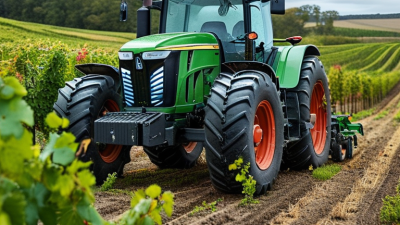
Orchards, vineyards, and restricted-access properties Mowing between rows, spraying, cultivation, hauling, and work on sloped or narrow ground Prioritize overall width, turning radius, stability, clearance, visibility, and rollover protection
How to match specifications: Select a tractor with enough horsepower for the implement’s power requirement, but verify the implement’s recommended tractor weight and lift capacity as well. Actual specifications vary by configuration, ballast, tire selection, hydraulic setup, and manufacturer rating method.
*Lift capacity note: Values represent typical approximate rear three-point-hitch ranges measured near the hitch points. Usable capacity at a specific distance behind the hitch may be lower.

Compare Attachments, Transmission Types, and Essential Features

Choosing a small tractor starts with the work, not the horsepower badge. The USDA’s 2022 Census of Agriculture counted about 1.9 million U.S. farms, averaging 463 acres. That range shows why “small” means different things to different owners. Measure your mowing area, soil condition, slope, and storage space first. A front loader suits gravel, compost, and pallet work. A rotary cutter handles rough grass. A rear blade helps with snow or driveway maintenance. Check attachment weight, hydraulic flow, PTO speed, and three-point lift capacity together. One impressive figure can still hide a poor match.

Transmission choice changes daily comfort. Hydrostatic transmission offers smooth speed control, especially during loader work and repeated forward-reverse cycles. Gear transmission usually delivers efficient pulling power for tilling, grading, and steady field work.

ASABE EP496.3 emphasizes matching implement capacity with available power and operating conditions. Four-wheel drive improves traction, but it cannot replace correct ballast or suitable tires. Essential features include a rollover protective structure, accessible controls, independent PTO operation, strong lighting, and service points you can reach without removing panels.

I once focused too much on engine output. That was a costly oversight.

Tips: Bring the heaviest attachment when testing the tractor. Lift it, reverse slowly, and check visibility around the loader arms. Compare turning radius and control effort, not just brochure numbers. Leave some capacity unused. Future jobs often arrive earlier than expected. Read the maintenance schedule carefully, and ask for documented lift ratings under realistic conditions. If the tractor feels oversized for your sheds or narrow gates, it probably is.

Evaluate Operating Comfort, Safety, Maintenance, and Reliability

Choosing a small tractor starts with the operator’s daily experience, not just engine power. Sit in the seat for several minutes before deciding. Your knees should clear the steering wheel, and every control should be reachable without twisting. Test the pedal resistance and turning visibility. Small discomfort becomes serious during long mowing or loading jobs. Noise and vibration matter, too. They are easy to underestimate.

Safety deserves a practical inspection. Look for a certified rollover protection structure and a working seat belt. Check whether the power take-off guard stays secure during operation. Brakes should respond evenly, even on a gentle slope. Good lighting, clear mirrors, and simple control labels reduce mistakes when weather or fatigue affects attention. Read the operator’s manual before purchase. I have seen buyers skip this step, then discover that routine procedures were less intuitive than expected.

Maintenance access can reveal how dependable a tractor may become. Open the hood and inspect the oil filter, air filter, grease points, and coolant reservoir. Can you reach them without removing half the machine? Ask about service intervals, parts availability, diagnostic support, and warranty terms. Keep written maintenance records from the first hour. Reliability is not a promise printed on a sales sheet; it develops through careful servicing and sensible operation. Be honest about your habits. If weekly checks are unlikely, choose a design that makes them difficult to ignore.

How to Choose the Best Small Tractor for Your Needs?

Recommended evaluation weighting for operating comfort, safety, maintenance, and reliability

This 100-point framework gives the greatest emphasis to safety and assigns equal importance to long-term reliability and operator comfort. Maintenance receives a slightly lower weight because service requirements can often be verified through inspection schedules, access to service points, and expected operating costs. Adjust the weighting according to terrain, workload, annual operating hours, and operator experience.

Set a Practical Budget and Choose the Best Tractor Model

How to Choose the Best Small Tractor for Your Needs?

Set a practical budget before comparing horsepower. Include the tractor, loader, attachments, delivery, insurance, storage, and early maintenance. Iowa State University Extension’s 2024 Machinery Cost Estimates separates ownership costs from operating costs. That distinction matters because a cheaper tractor can become expensive with low annual use. My first budget would probably be wrong without those categories. Leave a 10–15% reserve for unexpected repairs or attachment changes. Keep it realistic.

Match the machine to your heaviest regular task, not your occasional wish list. Measure slope, soil type, gate width, and storage clearance. A 25–35 horsepower tractor may suit mowing, light grading, and material handling on many small properties. However, a larger implement can quickly exceed its lifting capacity. Test the three-point hitch with your actual attachment if possible. Small details matter.

Market timing also deserves attention. The Association of Equipment Manufacturers reported a 14.8% year-over-year decline in U.S. under-40-horsepower tractor sales during 2024. That figure does not guarantee lower prices, but it supports careful negotiation and comparison. Request written service intervals, attachment prices, warranty terms, and financing costs. Compare total ownership cost over five years. A calculator may expose an uncomfortable truth: the model with fewer features could fit your work better.