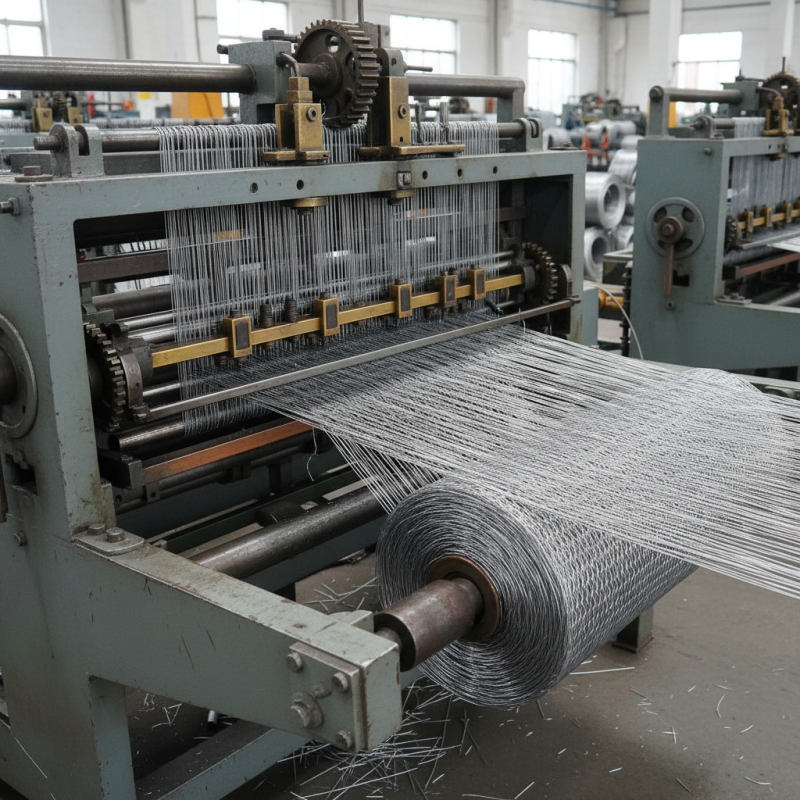
What is a Wire Mesh Weaving Machine and How Does it Work?
The wire mesh weaving machine plays a crucial role in modern manufacturing. This device produces various types of wire mesh used in construction, agriculture, and more. By weaving wires together, it creates durable and versatile materials.
These machines come in different sizes and configurations. They can weave fine wire for mesh screens or robust materials for fencing. Understanding how a wire mesh weaving machine functions is essential for industries relying on these products.
However, not all machines are created equal. Some might struggle with precision or speed. Choosing the right machine requires careful consideration and insight. Manufacturers must reflect on their specific needs and the capabilities of the equipment. This ensures they invest in a reliable wire mesh weaving machine that meets their requirements.
What is a Wire Mesh Weaving Machine? Overview and Definition
A wire mesh weaving machine is essential in various industries. It is designed to produce wire mesh through a systematic weaving process. This machine uses metal wires, often in different gauges, to create intricate mesh patterns. The versatility of wire mesh allows it to serve in construction, agriculture, and manufacturing sectors.
According to industry reports, the global wire mesh market was valued at approximately $5 billion in 2022 and is expected to grow at a rate of 4.5% annually. This data highlights the increasing demand for wire mesh products. However, despite this growth, some manufacturers face challenges in maintaining quality. The setup of weaving machines requires precise calibration. Any misalignment can lead to defects, impacting product integrity.
The operation of a wire mesh weaving machine involves several steps. First, wires are loaded and aligned. Then, they are woven together to form a mesh. Often, operators need to conduct regular maintenance. However, these maintenance routines can sometimes overlook minor wear and tear. This may affect the overall productivity of the machine. It’s crucial for companies to invest in training operators to recognize these issues promptly.
Historical Development of Wire Mesh Weaving Machines in the Industry
Wire mesh weaving machines have a rich history in the industrial landscape. They emerged in the early 19th century as a response to the increasing demand for durable materials. At that time, artisans crafted nets and meshes by hand. This process was labor-intensive and slow. There was a clear need for a more efficient solution.
In the late 1800s, technological advancements began to shape the production of wire mesh. Early machines were simple mechanisms that twisted and wove wires together. They transformed a manual process into a semi-automated one. As industries grew, so did the complexity of these machines. More sophisticated models emerged in the 20th century. They allowed for the production of various mesh sizes and styles, catering to different applications.
Despite these advancements, challenges persisted. Some machines lacked precision, leading to inconsistent mesh quality. Operators often faced difficulties in managing different wire types. Innovations were necessary, but not always easy to implement. The journey of wire mesh weaving machines reflects both progress and ongoing struggles in the manufacturing sector.
Types of Wire Mesh Weaving Machines: Features and Applications
Wire mesh weaving machines come in various types, each designed for specific tasks. The most common types include automatic and semi-automatic machines. Automatic machines are efficient and capable of high production rates. They often feature advanced controls for precise mesh sizes. Semi-automatic machines require more manual input. They are beneficial for smaller production runs or custom projects.
Different machines also serve distinct applications. For instance, some are dedicated to creating filters for industrial use. Others may focus on producing fencing materials for agricultural settings. Each machine's design emphasizes its intended purpose. Not all machines excel in every situation. So, it is crucial to assess your needs before selecting one. Consider factors like mesh size, material type, and production speed. The right choice ensures efficiency and quality.
How Wire Mesh Weaving Machines Operate: Mechanism and Process
Wire mesh weaving machines are essential in various industries. These machines efficiently produce wire mesh, a versatile material used in construction, fencing, and filtration. The operation of these machines involves a series of intricate mechanisms that work in harmony to create different patterns and strengths of wire mesh.
At the heart of a wire mesh weaving machine is its weaving mechanism. The machine features warp and weft wires. The warp wires are aligned vertically, while the weft wires run horizontally. According to industry reports, modern machines can produce mesh with more than 100 patterns per minute. The weaving process involves the weft wire being inserted between the warp wires. This method ensures a strong bond, which is critical for the final product's durability.
However, achieving consistent quality can be challenging. Variations in wire thickness and tension can lead to defects in the mesh. Even with advanced technology, minor adjustments are often essential. For instance, a 2022 report indicated that up to 15% of production runs may require rework due to such inconsistencies. Monitoring these factors meticulously allows manufacturers to improve their process and results continually.
Industry Standards and Specifications for Wire Mesh Production Quality
When discussing wire mesh production, industry standards and specifications play a critical role. These guidelines ensure that the final product meets quality requirements. Compliance with these standards is essential for achieving durability and functional integrity. Every aspect, from raw materials to finished meshes, must adhere to these parameters.
Familiarizing yourself with the ASTM and ISO standards is beneficial. These standards define parameters such as wire diameter, mesh opening, and tensile strength. For example, a mesh that does not conform to gauge specifications can lead to structural failures. Even minor deviations can compromise the overall quality.
Tip: Always test your wire before weaving. This check can pinpoint potential weaknesses in your materials. Additionally, consider the mesh's intended use. Some applications require tighter tolerances than others. It’s crucial to adapt your processes and checks accordingly.
Another point to reflect on is the importance of continuous monitoring. Regular inspections throughout the production process can help catch inconsistencies. Many manufacturers overlook this step. However, the benefits of proactive quality assurance are significant. It saves time and resources in the long run.
What is a Wire Mesh Weaving Machine and How Does it Work? - Industry Standards and Specifications for Wire Mesh Production Quality
| Dimension | Specification | Industry Standard | Material Used |
| Wire Diameter | 0.5 - 8 mm | ISO 9001 | Mild Steel, Stainless Steel |
| Weaving Type | Exhaust, Square, Hexagonal | ASTM A185 | Galvanized Wire |
| Production Speed | 10 - 120 m/min | EN 10223-6 | Copper Coated Wire |
| Machine Dimensions | 2.5m x 1.5m x 1.8m | CE Marking | Aluminum Alloy Frame |
| Power Supply | 380V, 50Hz | IEC Standards | Electric Motor |