Top Industrial Computers in China for Global Buyers?
As global demand for advanced technology surges, the significance of industrial computers, or "Промышленный компьютер," grows. Experts predict a robust market, especially in China, a hub for manufacturing and innovation. According to Dr. Alexei Petrov, a leading specialist in this field, “The future of industrial computing relies on adaptability and integration.” His perspective underscores the urgent need for cutting-edge solutions in various industries.
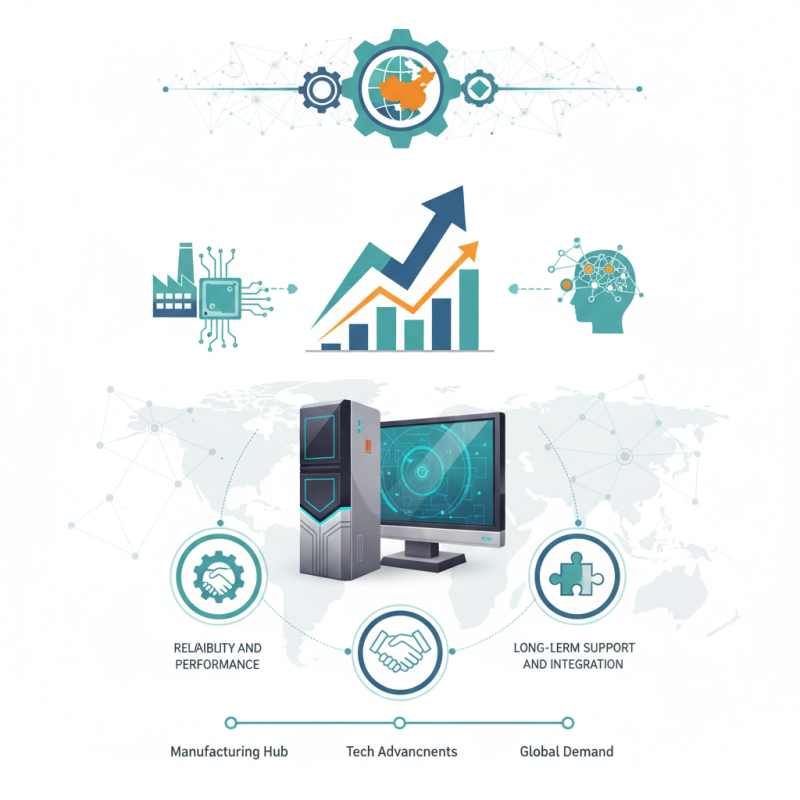
China stands out as a significant player in this sector. Its industrial computers are becoming synonymous with reliability and performance. However, the rapid pace of technological advancement can lead to challenges in adaptation for both suppliers and buyers. The complexity of selecting the right "Промышленный компьютер" might overwhelm new global buyers.
While there are strides in innovation, issues like compatibility and long-term support still need thorough reflection. The ideal choice for a buyer isn’t just about the latest technology but also about understanding the operational environment. This awareness will ensure that investments in "Промышленный компьютер" technology pay off in the long run.
Overview of Industrial Computers in China
Industrial computers are essential in various sectors, including manufacturing, automation, and logistics. In China, the market for industrial computers is expanding rapidly. According to a report by industry analysts, the industrial PC market in China is projected to reach $7 billion by 2025. This growth is fueled by increasing automation and the demand for reliable systems to manage complex operations.
Chinese manufacturers focus on durability and performance. Industrial computers produced in this region often withstand harsh environments, such as extreme temperatures or humidity. However, challenges remain. Quality inconsistency can arise due to rapid production scaling. Buyers should consider using third-party reviews and certifications to ensure product reliability before making decisions.
Tips: When selecting industrial computers, assess the intended operating environment. Ensure the model can perform under expected conditions. Research manufacturers’ reputation for quality. Lastly, consider long-term support and service agreements for maintenance and updates in the future.
Key Features of Chinese Industrial Computers
Chinese industrial computers are emerging as a strong contender in the global market. They feature robust designs, making them suitable for challenging environments. These computers typically include IP ratings for dust and water resistance. Many models boast high tolerance to extreme temperatures, ranging from -20°C to 70°C. This durability appeals to industries like manufacturing and energy.
A recent report indicated that the global industrial computer market is expected to grow at a CAGR of 5.5% over the next five years. Chinese manufacturers are stepping up to meet this demand. Their computers often integrate advanced processing capabilities and offer significant customization. This ensures that buyers can tailor systems to specific operational needs.
Moreover, power efficiency is becoming increasingly crucial. Many industrial computers from China come with energy-saving features. These not only reduce operational costs but also support eco-friendly initiatives. Despite improvements, some products still face challenges around software compatibility and support. This aspect requires ongoing attention to meet the diverse needs of global users.
Top Manufacturers and Brands in China
China’s industrial computer market is rapidly evolving. A significant portion of global buyers seeks reliable suppliers. The demand for robust industrial computers is projected to grow by over 5% annually. This rise correlates with increased automation in various sectors.
Top manufacturers in China focus on durability and efficiency. They cater to industries such as manufacturing, transportation, and telecommunications. Many companies invest heavily in research and development. This fosters innovation in product design. Data indicates nearly 70% of buyers prioritize performance and reliability as key factors.
Despite a competitive landscape, challenges exist. Some manufacturers struggle to meet international standards. Quality control remains a concern in specific cases. These factors can influence buyer decisions. All stakeholders must reflect on maintaining high standards in production and quality assurance. As the market tightens, understanding manufacturer capabilities becomes crucial for global buyers.
Market Trends and Innovations in Industrial Computing
The market for industrial computing in China is rapidly evolving. Innovations in technology are transforming how industries manage data and automation. Cloud computing and edge computing are driving efficiency. More companies are adopting these solutions to enhance productivity. The focus on integration of artificial intelligence is also noticeable. This trend allows businesses to analyze data in real-time, improving decision-making processes.
Environmental considerations are influencing the design of industrial computers. There is a growing emphasis on energy efficiency and sustainability. Manufacturers are looking for ways to produce machines that consume less power. This shift is not merely trend-driven; it’s a necessity for future-proofing business operations. Despite advancements, challenges remain. Many companies struggle to keep pace with the speed of innovation.
Cybersecurity is another critical area in industrial computing. As systems become more interconnected, vulnerabilities increase. Protecting sensitive data must remain a priority. Several companies have faced breaches in security. These incidents highlight the need for robust security measures. Industrial computing must strike a balance between innovation and protection. Adopting new technologies should not compromise safety.
Top Industrial Computers in China for Global Buyers
Considerations for Global Buyers of Industrial Computers
When considering the purchase of industrial computers in China, global buyers need to evaluate several key factors. The specific requirements of your industry should guide your selection process. Assess the performance specifications, including processing speed, memory capacity, and storage options. Ensure that the computers can handle the demands of real-time data processing or automation tasks. Often, lacking proper assessment leads to suboptimal purchases that may not meet operational needs.
Next, think about compatibility. Industrial computers must integrate smoothly with existing systems. Double-checking interface standards and communication protocols can save time and avoid costly errors in setup. In some cases, manufacturers may offer customizable solutions. However, these options might require additional research and communication for clarity, which is crucial to avoid misunderstandings.
Lastly, after-sales support is vital. Buyers should investigate the warranty terms and availability of local technical support. A strong support system can mean the difference between a smooth operation and prolonged downtime. Ignoring this aspect can pose significant risks in emergency situations. Balancing these considerations will enhance the chances of making informed choices that align with specific business objectives.
Top Industrial Computers in China for Global Buyers
| Model | Processor | RAM (GB) | Storage (GB) | Operating Temperature (°C) | IP Rating | Weight (kg) |
| Model A | Intel i7 | 16 | 512 | -20 to 60 | IP67 | 3.5 |
| Model B | AMD Ryzen 5 | 32 | 1TB | -40 to 70 | IP65 | 4.2 |
| Model C | Intel i5 | 8 | 256 | -10 to 50 | IP54 | 2.8 |
| Model D | Intel i9 | 64 | 2TB | -20 to 60 | IP68 | 5.0 |
