Top 10 Butterfly Valves for Sale You Should Know About?
When it comes to industrial applications, butterfly valves play a crucial role. They are versatile, cost-effective, and easy to operate. If you are seeking butterfly valves for sale, understanding your options is essential. This guide highlights the top 10 butterfly valves available on the market today.
Butterfly valves are known for their simple design and efficiency. They can control the flow of liquids and gases in various settings. However, not all butterfly valves are created equal. Factors such as size, material, and pressure ratings greatly affect performance. Choosing the wrong product can lead to costly mistakes and inefficiencies.
In recent years, the demand for butterfly valves has grown significantly. Various manufacturers now offer a broad range of products. Buyers must carefully consider their needs before making a purchase. This article aims to provide insights into the best butterfly valves for sale, helping you make an informed decision.
What is a Butterfly Valve and How Does It Work?
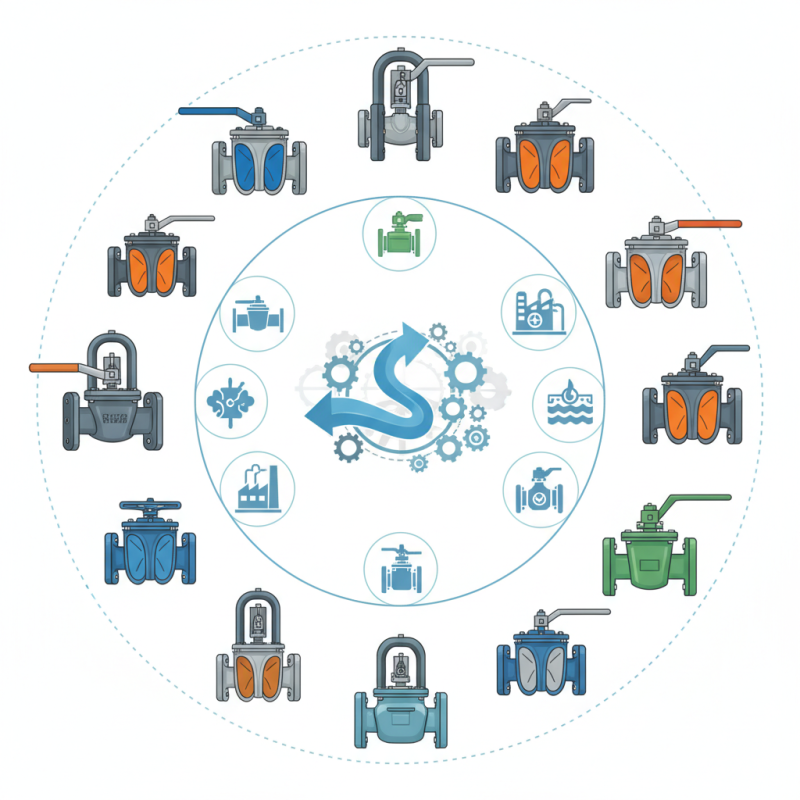
A butterfly valve is a type of flow control device. Its design features a rotating disc mounted on a shaft. This disc opens or closes the flow of fluid by rotating 90 degrees. The simplicity of this mechanism contributes to its widespread use in various industries.
According to a recent industry report, the global butterfly valve market is expected to grow by 5% annually. This growth is driven by the increasing demand for efficient flow control solutions. In water supply systems and HVAC applications, butterfly valves have proven effective. They offer low pressure drop and space-saving designs. However, improper installation can lead to issues such as leakage and reduced lifespan.
In certain scenarios, the selection of a butterfly valve can be tricky. The choice between resilient seated and metal seated valves often depends on the specific application. Statistics show that nearly 20% of valve failures stem from mismatch in application and valve type. It's crucial to assess fluid characteristics and environmental conditions before making a decision. Failure to do so can result in costly repairs.
Key Features to Look for in a Quality Butterfly Valve
When choosing a butterfly valve, key features play a vital role in ensuring optimal performance. One of the most significant aspects is the material. Different environments require specific materials. For instance, a valve made of durable metal suits high-pressure settings. Conversely, a plastic option works better in corrosive conditions. This material selection directly impacts longevity and reliability.
Another crucial feature is the valve size. It must match the pipe diameter to maintain a proper seal. Oversized or undersized valves can cause leaks. Plus, consider the actuator type. Electric actuators offer convenience, while manual options provide more control. You may need to reflect on the operational efficiency. Missed details could lead to increased maintenance costs.
Lastly, check the design. A streamlined design reduces turbulence and wear. However, complicated designs can complicate installation and repair. Prioritize simplicity for a smoother experience. Keep in mind that bearings and seals affect performance as well. A good butterfly valve should ensure smooth operation while remaining reliable over time.
Top 10 Butterfly Valves: Overview of Our Selection
When it comes to valve selection, butterfly valves stand out for their efficiency and versatility. These valves are designed to control flow in piping systems. They can handle various fluids, making them widely used in industries. Their compact design requires less space, which is essential in tight installations.
Choosing the right butterfly valve can be challenging. Factors like size, material, and pressure rating impact performance. It's crucial to consider the specific needs of your application. Some valves may leak slightly under certain conditions. It's an important issue to address during selection. Additionally, the installation process can be tricky. Improper installation may lead to operational issues.
Upkeep is another consideration. Regular maintenance helps prolong their lifespan. Some valves may develop stiffness or wear after extended use. Monitoring their performance ensures reliability. Understanding these elements can lead to better choices. Connecting with experts can also provide valuable insights into the best options available.
Detailed Comparison of the Best Butterfly Valves for Various Applications
When considering the best butterfly valves for various applications, it's essential to understand their design and functionality. Butterfly valves are pivotal in controlling fluid flow. They are effective in industries like water treatment, agriculture, and HVAC systems. A well-designed butterfly valve can significantly enhance operational efficiency.
Different projects may require specific features. Some valves boast high durability, suitable for high-pressure environments. Others might focus on resistance to corrosion, making them ideal for chemical applications. A common oversight is underestimating the importance of materials used in construction. It’s crucial to match the valve with the application's fluid type. Choosing the wrong valve could lead to premature failure.
Performance is not the only concern. Ease of installation and maintenance are also critical. Some valves may be less user-friendly than expected, leading to frustration down the line. Valves with simpler mechanisms tend to offer better serviceability. When selecting the right butterfly valve, users need to consider both performance and practicality. Balancing these aspects can be a challenging process but is necessary for achieving optimal functionality.
Top 10 Butterfly Valves Comparison
Buying Guide: Factors to Consider When Purchasing Butterfly Valves
When purchasing butterfly valves, several factors are crucial to ensure optimal performance and longevity. One important aspect is the size of the valve. A recent industry report highlights that improper sizing can lead to flow restrictions and increased wear. It is essential to measure pipeline dimensions accurately to avoid operational inefficiencies.
Another consideration is the valve material. Corrosion resistance is vital, especially in harsh environments. According to data, around 30% of valve failures in industrial applications are linked to material degradation. Options like stainless steel or PVC can provide better durability in specific applications. It’s important to analyze the media that will flow through the valve.
Additionally, pay attention to the actuator type. Electric actuators are ideal for precision tasks, while pneumatic ones can be more reliable in rugged conditions. Each actuator type has its pros and cons. Often, users overlook maintenance schedules, which can drastically affect the valve’s lifespan. Regular inspection is not just a suggestion; it’s necessary for optimal performance.
