Top Custom Metal Parts Manufacturer China for Your Needs?
When searching for a reliable partner in manufacturing, choosing a Custom Metal Parts Manufacturer China can make a significant difference. With a wide range of options available, it’s crucial to identify which manufacturer aligns with your specific needs. The Chinese manufacturing landscape offers both expertise and advanced technology, ensuring high-quality products that meet international standards.
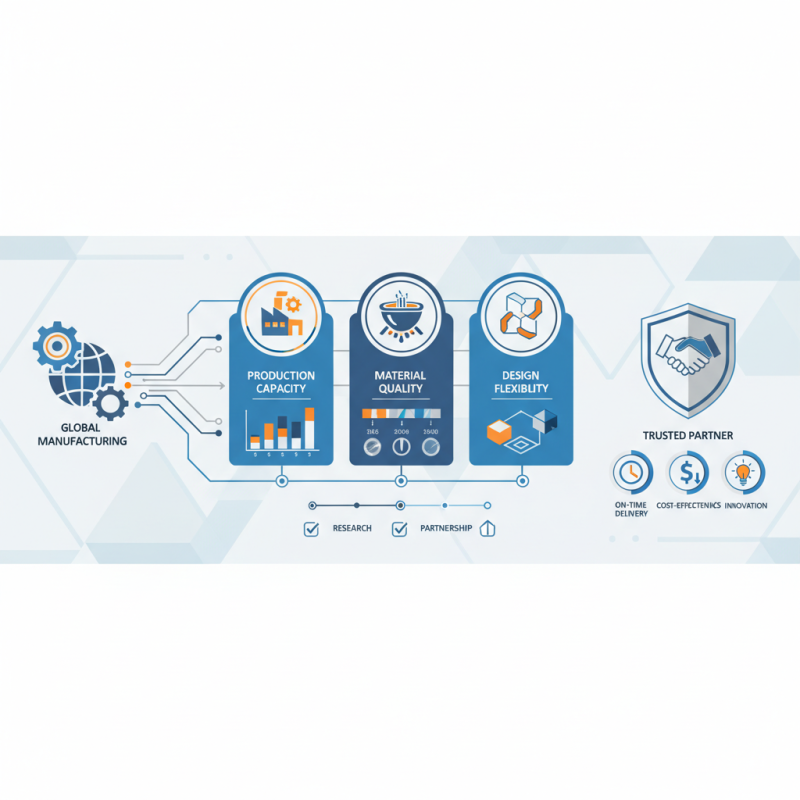
Selecting the right custom metal parts manufacturer is not always straightforward. Factors such as production capacity, material quality, and design flexibility can greatly impact your project's success. It is essential to evaluate manufacturers based on their track record, client feedback, and industry certifications. A solid partnership can bring innovation and efficiency to your business, yet finding the perfect fit might require thorough research and careful consideration.
Ultimately, the goal is to collaborate with a manufacturer that not only understands your requirements but can also add value through experience and expertise. Engaging with a Custom Metal Parts Manufacturer China could lead to enhanced manufacturing processes. By doing so, businesses can tap into a wealth of knowledge and resources, ensuring on-time delivery and cost-effectiveness in their production journeys.
Understanding the Importance of Custom Metal Parts in Manufacturing
Custom metal parts play a critical role in modern manufacturing. They ensure that products meet specific requirements. These parts can be tailored to precise dimensions and specifications. This allows for improved functionality and performance in various applications. Industries like automotive and aerospace heavily rely on these components. Each part must meet strict quality standards to ensure safety and efficiency.
Understanding the need for customization is crucial. Off-the-shelf parts often don't fulfill unique project requirements. They can lead to inefficiencies and increased costs. Poorly fitting components may result in malfunctions. Custom metal parts, however, can be designed for exact fits. This dedication to precision enhances overall product reliability. Engineers often spend time revising designs to achieve optimal results.
Moreover, the choice of materials is essential. Different metals offer unique properties, such as strength, weight, and corrosion resistance. It's important to match the material with the intended use. This ensures durability and longevity. Customization might require additional time and resources, but the benefits often outweigh these costs. A well-made custom part can lead to enhanced performance.
Key Factors to Consider When Choosing a Metal Parts Manufacturer
Choosing the right custom metal parts manufacturer is crucial for your production needs. Start by assessing the manufacturer’s experience in the industry. A seasoned manufacturer can better understand the complexities of metal fabrication. Look for a company that demonstrates a strong portfolio. This portfolio should showcase a variety of projects and specifications. It’s essential that they have experience in the specific materials you require.
Quality control is another key factor to consider. Ask about their quality assurance processes. Effective manufacturers often employ rigorous testing methods. This ensures that each part meets high standards for durability and precision. Take note of how they handle defects. A reliable manufacturer should have clear protocols for addressing issues.
Communication is vital. Manufacturers that respond promptly reflect reliability and professionalism.
Lastly, consider their production capabilities. Can they scale operations to meet your demands? Some manufacturers may struggle with larger orders. This could lead to delays and increased costs. Ensure that their production timeline aligns with your project schedule. Reflect on these factors during your selection process for a successful partnership.
Overview of China's Custom Metal Parts Industry and Market Growth
China's custom metal parts industry has experienced significant growth. The market was valued at approximately $120 billion in 2022. This growth is driven by rising demand across various sectors, including automotive, aerospace, and electronics. Notably, nearly 30% of the global custom metal parts production comes from China, highlighting its vital role in the global supply chain.
The increasing focus on precision engineering is essential. Chinese manufacturers are adopting advanced technologies. Automated processes and computer numerical control (CNC) machining are becoming standard practices. Reports show that around 70% of manufacturers invest in automation to enhance production efficiency. Despite this progress, challenges remain, including quality assurance and environmental regulations. These factors require ongoing adaptation and compliance from manufacturers.
In addition, the workforce is evolving. Skilled labor shortages have emerged as a concern. Many companies are struggling to find qualified workers with the necessary technical skills. This issue could hinder future growth unless addressed effectively. Overall, China's custom metal parts market presents opportunities but also demands critical reflection and innovation for sustainable success.
Top Custom Metal Fabrication Techniques Used by Manufacturers
When it comes to custom metal fabrication, manufacturers employ various techniques to meet diverse client needs. One of the most prevalent methods is CNC machining. According to industry reports, the CNC machining market is projected to reach $117 billion by 2027. This technique allows for high precision and complex designs, making it ideal for industries like aerospace and automotive.
Another important technique is metal stamping. This process uses a die to shape metal sheets into specific forms. Statistically, the global metal stamping market is estimated to grow at a CAGR of 4.5% through 2025. Metal stamping is efficient for mass production, yet it requires careful design to avoid flaws in the finished product. Yet, not every design translates well to this method, highlighting the need for skilled engineers.
Laser cutting is also gaining traction. This technology provides clean cuts and intricate detailing. Reports indicate an increased demand for laser cutting services, driven by personalized and custom orders. However, the cost of equipment can be prohibitive for small businesses. Companies must weigh the benefits against their budgets. Each of these techniques has strengths and weaknesses. Analyzing these can lead to better decision-making in metal fabrication.
Quality Standards and Certifications for Custom Metal Parts Production
When considering custom metal parts manufacturing, quality standards and certifications play a crucial role. Manufacturers should comply with international standards like ISO 9001. These certifications ensure consistent quality control and efficient production processes. They reflect a commitment to excellence and customer satisfaction.
Tip: Take the time to verify certifications. This adds an extra layer of trust in the manufacturing process. A reliable partner often displays their certifications prominently.
Another important aspect is the materials used. High-quality steel, aluminum, and other metals should be sourced. Manufacturers must conduct regular quality checks on their raw materials. Testing methods, including tensile strength and hardness tests, should be in place. This can help avoid potential failures in the finished product.
Tip: Look for manufacturers who share their testing results. Transparency in quality control proves reliability and expertise.
While many companies boast high standards, the real test is consistency over time. It’s essential to assess not only initial product quality but also how manufacturers respond to issues. Regular feedback and iterative improvements are signs of a dedicated partner.
Top Custom Metal Parts Manufacturer China for Your Needs
| Dimension | Material | Tolerances | Production Technique | Quality Certifications |
| 5mm x 10mm x 2mm | Aluminum Alloy 6061 | ±0.02mm | CNC Machining | ISO 9001, ISO 14001 |
| 20mm x 15mm x 5mm | Stainless Steel 304 | ±0.05mm | Laser Cutting | ISO 9001 |
| 30mm x 20mm x 3mm | Mild Steel | ±0.1mm | Sheet Metal Fabrication | ISO 9001, CE |
| 15mm x 10mm x 4mm | Copper | ±0.03mm | Stamping | ISO 9001 |
| 50mm x 50mm x 10mm | Titanium Alloy | ±0.01mm | 3D Printing | AS9100 |
