How to Choose the Best Sub Compact Tractor for Your Needs?
Selecting the best sub compact tractor for your needs is more than just a simple purchase. It's a significant investment with lasting implications for your property. If you’re looking to maintain a small farm, a garden, or even just your backyard, a sub compact tractor becomes essential. Understanding its capabilities is crucial before diving into the market.
Sub compact tractors are versatile machines designed for various tasks. They can assist with mowing, digging, and hauling materials. However, not all tractors are created equal. The features and specifications can vary widely. Knowing what you need in terms of horsepower, attachments, and size is important. Yet, many buyers often overlook this. They may focus solely on the price or brand, forgetting to consider their actual requirements.
In this guide, we will explore key factors to consider when choosing a sub compact tractor. Experience and expertise are crucial. You must assess your specific tasks and how a tractor can meet those needs. Ultimately, this choice can make or break your activities, so take the time to research. The right tractor significantly enhances your efficiency and enjoyment in managing your property.
Understanding Sub Compact Tractors: Definition and Features
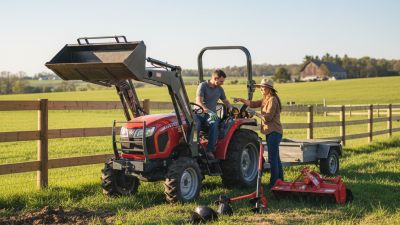
Sub compact tractors are versatile tools designed for small farms, landscaping, and residential use. They typically weigh between 1,000 to 2,500 pounds and are easy to maneuver in tight spaces. These tractors usually come with attachments like loaders, mowers, and tillers, making them practical for various tasks. Understanding the defining features of sub compact tractors is crucial when selecting one for your needs.
Ensure you consider the horsepower. Most sub compact tractors range from 15 to 30 horsepower. This power allows for effective performance in various applications, including farming and gardening. Pay attention to the transmission type too. Hydrostatic transmissions offer smoother operation and are user-friendly, especially for beginners.
Before making a decision, think about storage. Sub compact tractors require adequate parking space when not in use. Maintenance is another aspect to ponder. Regular checks and upkeep extend their lifespan. Also, evaluate your specific tasks.
Will you mostly mow lawns or handle heavier duties? Knowing this helps in your choice. Listen to experienced users and seek advice. Their insights can guide your decision-making process effectively.
Assessing Your Land and Specific Needs for a Sub Compact Tractor
Choosing the right sub compact tractor involves a clear understanding of your property and specific needs. Begin by assessing the size of your land. If it’s less than five acres, a sub compact tractor may work perfectly. Consider the type of terrain too. If it’s hilly or uneven, you'll need a tractor with good stability and traction.
Think about what tasks you need the tractor for. Are you mowing grass, tilling soil, or moving heavy materials? The answer will shape your choice significantly. For mowing, look for features tailored to cutting efficiency. For landscaping, consider attachments that enhance versatility.
When evaluating options, keep in mind the tractor's horsepower. Lower horsepower can limit productivity for larger jobs. Reflect on your experience level; a more powerful tractor can be difficult to handle for beginners. Soil condition is also important. Rocky or clay-heavy soil may require different implements than sandy soil.
Consider the long-term needs too. What might you need in the future? Investing in a tractor with expandable features can save costs down the road. Always weigh current and future requirements. This careful assessment will lead you to the right sub compact tractor choice.
Choosing the Best Sub Compact Tractor for Your Needs
Key Specifications to Consider When Selecting a Sub Compact Tractor
When selecting a sub compact tractor, understanding key specifications is crucial. The engine power plays a significant role in determining how well the tractor can handle various tasks. A larger engine typically offers better performance for heavy-duty work, while a smaller engine might suffice for lighter farm chores. Choose horsepower that matches your needs, but don’t overlook fuel efficiency. A balance between power and fuel consumption is essential for long-term cost savings.
Another important aspect is hydraulic capacity. This affects the tractor's ability to operate attachments effectively. A higher hydraulic flow can enhance the performance of loaders and other implements. Check the lift capacity as well. Ensure that the tractor can safely handle the load you plan to lift. Additionally, consider the overall weight and size. A sub compact tractor should be manageable for your property but powerful enough for challenging tasks.
Ergonomics matter as well. Look for features that enhance comfort and usability. Adjustable seats and intuitive controls can make a big difference during long working hours. Reflect on your past experiences; remember the frustrations with difficult-to-use tools. A tractor that suits your body and style will make work easier. Each choice should reflect not just current needs but future tasks as well. Prioritizing specifications will lead to better decision-making and eventual satisfaction with your new equipment.
How to Choose the Best Sub Compact Tractor for Your Needs? - Key Specifications to Consider When Selecting a Sub Compact Tractor
| Specification |
Details |
| Engine Power |
20-30 HP |
| Weight |
1200-2000 lbs |
| Width |
36-50 inches |
| Lift Capacity |
500-800 lbs |
| Fuel Type |
Diesel or Gasoline |
| Transmission Type |
Hydrostatic or Gear |
| 4WD Capability |
Yes/No |
| Attachments Compatibility |
Varies by model |
| Warranty |
2-5 years |
Comparing Popular Brands and Models of Sub Compact Tractors
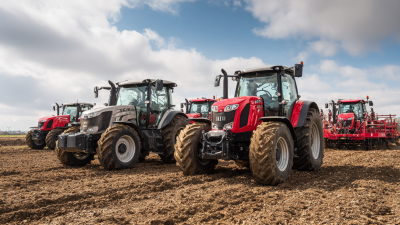
When selecting a sub compact tractor, it's essential to understand the various popular brands and models available. Different brands offer unique features that cater to specific needs. For agricultural tasks, some models prioritize raw power, while others focus on ease of use. It's crucial to align a tractor's capabilities with the intended use.
Consider the lift capacity, engine size, and available attachments when comparing models. Some tractors excel in performing multiple tasks, like mowing and tilling. Others might struggle with versatility. Be realistic about your needs. Reflect on your property size and tasks you frequently perform. Narrowing down your choices based on honest evaluations will help avoid disappointment later.
User reviews are invaluable. They often highlight issues not mentioned in advertisements. Learning from real-world experiences can guide your decision. Not every model is perfect. Some may require frequent maintenance or lack certain features. Be prepared for potential challenges as well. By weighing both pros and cons, you’ll make a more informed choice.
Evaluating Budget Considerations and Financing Options for Purchase
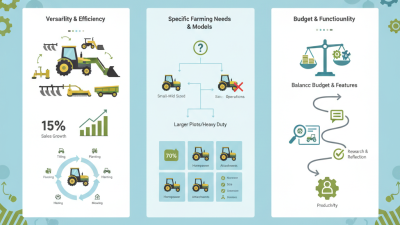
Evaluating budget considerations and financing options is crucial when choosing a sub-compact tractor. First, define your budget clearly.
Consider not only the tractor's purchase price but also ongoing costs. Maintenance, fuel, and insurance can add up quickly.
Think about how much you can afford monthly. A visual breakdown of expenses can help you see the big picture.
Next, explore financing options that suit your needs. Many dealers offer financing plans, allowing you to spread payments over time.
Be wary of interest rates and terms. High-interest financing can lead to paying much more than the initial price.
Look for loans or credit from reputable institutions. Always read the fine print.
Think long-term as you make this decision. Your choice should fit your financial goals. Consider whether you might need to sell or
upgrade in the future. This may influence your budget and financing approach. Reflect on how a sub-compact tractor will affect
your overall financial situation. It should enhance productivity, not become a burden. If you're unsure, seeking advice from a
financial expert can provide clarity.