How to Choose the Right Chemical Raw Materials Manufacturer?
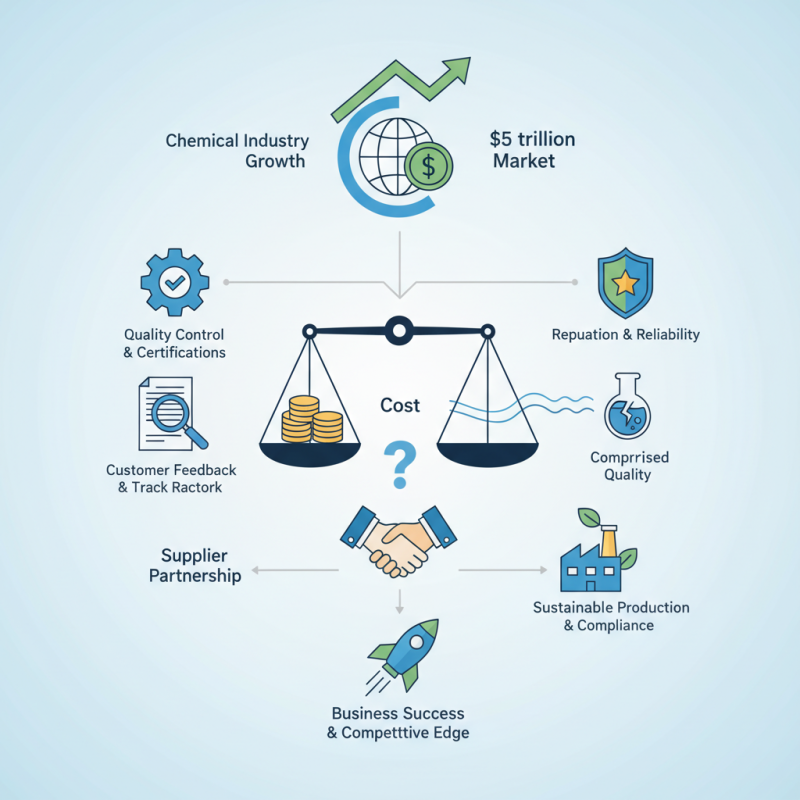
Choosing the right chemical raw materials manufacturer can be challenging. The global chemical industry is projected to reach $5 trillion by 2025, according to recent market reports. This growth underlines the importance of sourcing high-quality materials. A suitable manufacturer can significantly impact product quality and business success.
When assessing potential manufacturers, consider their reputation and certifications. Nearly 70% of companies report challenges in supplier reliability. Therefore, investigating their track record is essential. Analyze customer feedback carefully. Quality control processes are critical in this industry. A manufacturer’s ability to meet regulations ensures compliance and safety in production.
Engaging with suppliers who understand market needs is vital. Some manufacturers may offer lower prices but compromise quality. Reflecting on the balance of cost and quality is crucial. Failing to do so can lead to production delays and increased costs. Ultimately, a sound partnership with a reputable chemical raw materials manufacturer can enhance your business’s competitive edge.
Identifying Essential Criteria for Selecting a Chemical Raw Materials Manufacturer
When selecting a chemical raw materials manufacturer, key criteria must be considered. Industry reports indicate that over 70% of manufacturers fail to meet quality standards. This highlights the need for diligent vetting. Test certifications and third-party audits are critical. These documents can assure you of product quality and safety.
Cost is another significant factor. While it might be tempting to choose the cheapest option, this often compromises quality. According to market analysis, nearly 60% of businesses experienced production issues due to subpar materials. A thorough cost-benefit analysis can help identify the right balance between quality and price.
Sustainability is gaining importance in manufacturing. More than 50% of buyers prefer suppliers who implement eco-friendly practices. Manufacturers should demonstrate a commitment to sustainable sourcing and production. This not only benefits the environment but also enhances brand reputation. Balancing cost, quality, and sustainability can be challenging, but it’s essential for long-term success.
Essential Criteria for Selecting a Chemical Raw Materials Manufacturer
This bar chart illustrates the essential criteria considered when selecting a chemical raw materials manufacturer. Each criterion is rated based on its importance for businesses in the chemical industry.
Evaluating Manufacturer’s Quality Assurance and Certification Standards
Choosing the right chemical raw materials manufacturer is crucial for success. Quality assurance and certification standards play a significant role in this selection. According to a recent industry report, over 70% of manufacturers have faced issues related to quality control. This statistic highlights the importance of rigorous evaluation.
When assessing a manufacturer, check for certifications. Look for ISO standards, which ensure adherence to quality management systems. A manufacturer with ISO certification typically demonstrates reliability. It implies a commitment to consistent product quality. However, not all certifications are equal. Some may be outdated or not fully compliant.
Additionally, consider their testing procedures. Are they transparent about their quality checks? Manufacturers should provide insights into their testing processes and results. Research from the Chemical Safety Board shows that lack of quality checks leads to safety hazards 50% of the time. This alarming figure emphasizes the need for stringent testing and oversight. Every detail counts in this process. Finding a manufacturer with a proven track record can help mitigate risks.
How to Choose the Right Chemical Raw Materials Manufacturer? - Evaluating Manufacturer’s Quality Assurance and Certification Standards
| Criteria | Evaluation Method | Standard/Certification | Importance |
| Quality Control | Internal audits, testing protocols | ISO 9001 | High |
| Environmental Compliance | Compliance reports, environmental audits | ISO 14001 | Medium |
| Product Safety Standards | Safety data sheets, lab testing | REACH | High |
| Supply Chain Transparency | Traceability audits, documentation | None specific | Medium |
| Certifications and Awards | Review of awarded recognitions | Industry awards, Innovation certifications | Medium |
Assessing Supplier's Product Range and Customization Capabilities
When choosing a chemical raw materials manufacturer, product range and customization capabilities are crucial. A diverse product range indicates that the supplier can meet various needs. It’s beneficial to ask about the specific chemicals they produce. Understanding their portfolio helps in assessing whether they align with your project requirements.
Customization is equally important. Suppliers that offer tailored solutions can address unique challenges. Some manufacturers may provide standard products only. This lack of flexibility can be limiting. Always inquire about options for custom formulations.
Consider the supplier's experience in creating specialized materials. Their track record can guide your decision. You might find that some suppliers are hesitant to communicate about customization. This could signal potential issues. Clear communication about product capabilities is essential for a productive partnership.
Analyzing Cost-Effectiveness and Delivery Timeframes of Manufacturers
When selecting a chemical raw materials manufacturer, analyzing cost-effectiveness and delivery timeframes is crucial. According to a recent industry report, 70% of manufacturers reported delays impact project budgets. Delays can lead to missed deadlines, increasing overall project costs. Accurate delivery timeframes help businesses plan resources effectively.
Cost-effectiveness extends beyond price. A manufacturer may offer lower prices but fail to deliver on time. A study indicated that companies losing money due to production delays ranged from 10% to 30%. Balancing these factors ensures that your supply chain runs smoothly.
Consider the location of manufacturers. Proximity affects transportation and delivery speed. A nearby manufacturer can often deliver in a matter of days, while those farther away might take weeks. Additionally, understanding the manufacturer's production capacity is vital. Underestimating their capabilities can lead to unexpected shortages. These factors should weigh heavily in your decision-making process.
Understanding Customer Support and Communication Practices in the Industry
Choosing the right chemical raw materials manufacturer requires careful thought. Customer support and communication are vital aspects. A survey by the Chemical Industries Association shows that 70% of companies rate responsiveness as critical. Quick replies foster trust. If a manufacturer takes too long, it can signal problems.
Clear communication helps prevent misunderstandings. A report from the Global Chemical Market indicates that 65% of supply chain issues stem from poor communication. Regular updates during production are essential. They keep customers informed and engaged. This is not just about answering questions; it’s about proactive outreach.
Not all manufacturers excel in these areas. Some may have excellent products but fall short in support. It’s crucial to seek feedback from other customers. Reviews often reveal patterns in service quality. Transparency is a deciding factor. A lack of clear policies can lead to frustration. Ultimately, effective customer support reflects the manufacturer’s reliability.
