How to Choose Galvanized Coil for Your Project?
When embarking on a project that requires the use of a Galvanized Coil, the selection process can be daunting. Experts stress the importance of making informed choices. John Smith, a specialist in the galvanized steel industry, once said, “Choosing the right galvanized coil can make or break your project.” This highlights the gravity of the decision.
Galvanized coils are essential in various applications, from roofing to automotive parts. Understanding their properties is crucial. For instance, the thickness of the coating affects durability. A coil with a thicker zinc layer provides better rust resistance. However, balancing cost and quality can be tricky. Some might opt for cheaper alternatives that compromise longevity.
In this complex landscape, one must reflect on their specific needs. What is the environment like? Will moisture be an issue? These questions are vital. A decision made without careful consideration could lead to costly mistakes later on. Selecting the right galvanized coil involves both knowledge and introspection.
Understanding the Properties and Benefits of Galvanized Coil
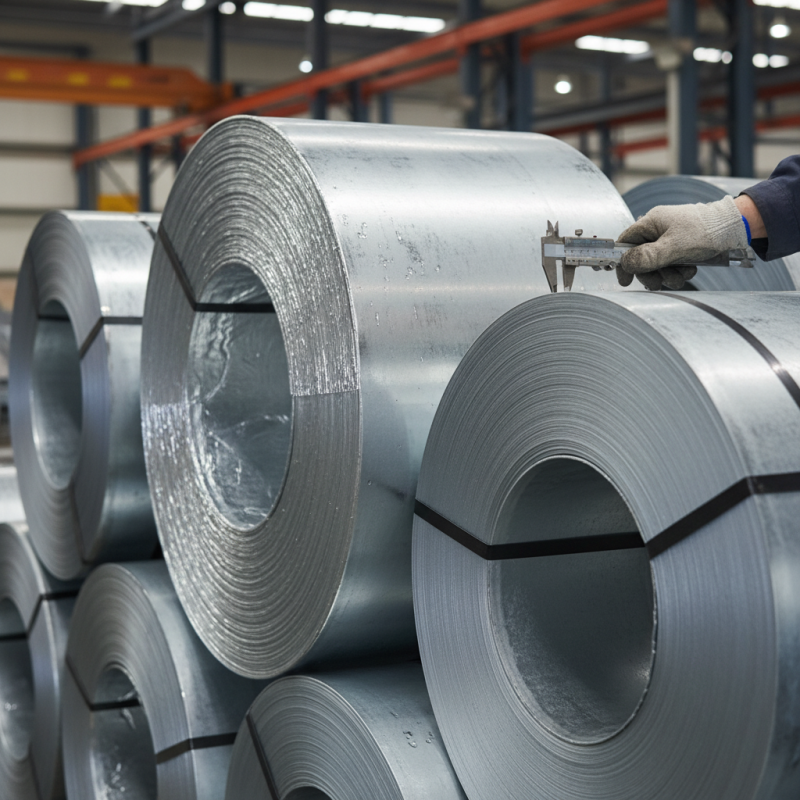
When choosing galvanized coil for your project, understanding its properties is vital. Galvanized coil is steel coated in zinc. This coating protects against corrosion. It extends the metal's lifespan significantly. The process involves hot-dipping or electroplating. Each method has its own benefits. Hot-dipped coils have thicker zinc layers. They provide better corrosion resistance for outdoor use.
There are several benefits to using galvanized coil. It resists moisture and chemicals well. This makes it ideal for construction and automotive applications. The surface finish is smooth, allowing for easy painting. Proper surface treatment helps in ensuring adhesion. Galvanized coil can also withstand harsh weather conditions. It’s versatile and commonly used across various industries.
Tips: Always check the gauge of the material. A thicker gauge means better durability. If unsure, consult with a professional. Choose the right zinc coating thickness for your project. Sometimes, less protection might be needed. Reflect on your specific requirements before making a choice.
Understanding the Properties and Benefits of Galvanized Coil
Identifying the Right Zinc Coating Thickness for Durability
Choosing the right galvanized coil for your project is crucial, especially regarding the zinc coating thickness. This thickness directly impacts durability and corrosion resistance. Research indicates that a zinc coating of 60 microns can significantly enhance lifespan, especially in harsh environments. However, thicker coatings, around 100 microns, may be overkill for mild conditions, leading to unnecessary costs.
Tips: Assess your project's environment. For coastal areas, consider at least 80 microns to combat salt exposure. For industrial settings, a minimum of 100 microns is often necessary. Thin coatings may lead to premature rust, while thick coatings can add weight and cost.
Understanding the balance of zinc coating thickness is vital. For many projects, a coating of 45 to 80 microns suffices. Some may opt for the standard of 55 microns. Keep in mind that lighter coatings may wear faster. Review detailed specifications before making a decision. Don't rush. Make educated choices based on your specific needs.
Evaluating Galvanized Coil Grades and their Applications
When evaluating galvanized coil grades, it's essential to consider the intended application. Each grade offers unique attributes that determine its suitability for various projects. For instance, G90 galvanized steel is often favored for larger construction projects. Its thicker coating provides excellent corrosion resistance. This makes it ideal for outdoor applications, where exposure to harsh weather can accelerate deterioration.
Another important factor is the thickness of the base steel. Thicker coils are generally more durable but can be heavier and more challenging to work with. On the other hand, thinner coils are easier to handle but may not offer the same longevity. It’s crucial to strike a balance between weight and durability based on your project’s specific needs. Sometimes, projects require compromises. Opting for a thinner coil might save on initial costs, but it could lead to increased maintenance in the future.
Application scenarios can vary widely. Roofs, siding, and HVAC components all have different requirements. Not all galvanized materials will perform equally in these situations. Know the environment where the product will be used. Urban settings with higher pollution levels may necessitate a different grade than rural areas. This consideration is vital in aligning the right galvanized coil with the project's goals. Making the right choice isn't always straightforward. There are many variables to weigh, and the best option may not be apparent at first glance.
Assessing the Importance of Corrosion Resistance in Galvanized Materials
Corrosion resistance is a critical factor when selecting galvanized coils. Galvanization involves coating steel or iron with zinc to prevent rusting. According to industry reports, galvanized materials can last up to 50 years in certain environments. This makes them a preferred choice for construction and outdoor applications.
Not all galvanized coils are created equal. The thickness of the zinc coating affects durability. A thicker layer offers enhanced protection but may increase costs. The American Galvanizers Association suggests a minimum zinc coating of 1.8 ounces per square foot for long-lasting projects. Environmental factors also play a role. Humidity and exposure to chemicals can shorten the lifespan of galvanized materials, despite their inherent corrosion resistance.
It's essential to evaluate your project's specific needs. Consider the environment where the galvanized coil will be installed. Local weather patterns, industrial pollutants, and moisture levels can impact performance. Always consult industry standards and guidelines when making your selection. Finding the right balance between cost and durability is crucial. Making a decision without thorough assessment could lead to premature corrosion and costly repairs.
Key Industry Standards and Specifications for Galvanized Coils
When selecting galvanized coils, industry standards and specifications play a critical role. Understanding these guidelines is essential for achieving quality and performance. One of the key standards is ASTM A653. This specification ensures that the galvanized steel meets specific requirements for corrosion resistance.
Another important measure is the coating weight, indicated by G30, G60, or G90. These codes reflect the amount of zinc applied. A higher number means better protection against rust. However, this doesn’t mean thicker coatings are always better. Sometimes, too much zinc can hinder paint adhesion.
Think about the dimensions too. Width, thickness, and length need to fit your project needs. Standard sizes might not work for every application. Adjusting these can lead to waste. Always check the physical characteristics and ensure they meet your requirements. Making decisions without thorough research can lead to costly mistakes later. Validate your choices by reviewing industry standards before committing. This might seem tedious, but it pays off in the long run.
