How to Choose the Right CCS Charge Port for Your Needs?
Choosing the right Ccs Charge Port for your electric vehicle is crucial. A mismatched charge port can lead to inefficient charging or even compatibility issues. According to a recent report by the International Energy Agency (IEA), the market for CCS charge ports is projected to grow by 30% annually through 2025. This rapid expansion highlights the importance of selecting a suitable charge port.
Industry expert Dr. Emily Chen emphasizes, "A well-chosen CCS charge port can optimize performance and enhance user experience." As more vehicles adopt the CCS charging standard, consumers face diverse options. Factors like vehicle type, charging speed, and station availability influence the decision-making process. It’s essential to navigate these choices carefully.
However, some consumers may overlook these factors, leading to unexpected challenges. Without proper evaluation, the selected CCS charge port may not meet future needs. Understanding the different specifications and features of CCS charge ports can help ensure that your investment aligns with your driving patterns and lifestyle. The right choice ultimately enables a seamless electric vehicle experience.
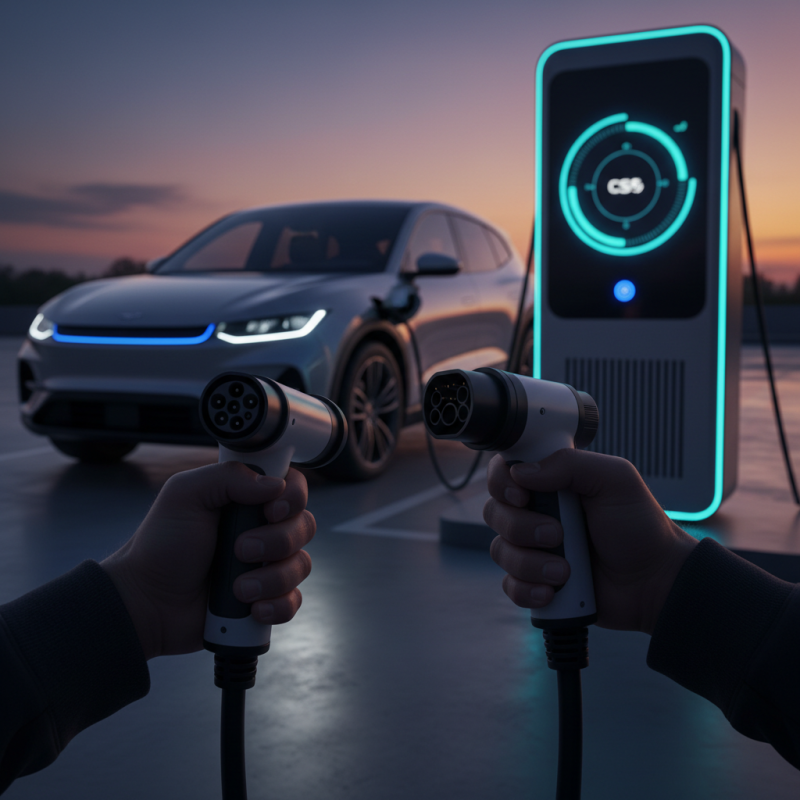
Understanding CCS Charging Standards and Compatibility
When selecting a CCS charge port, understanding the standards is crucial. The Combined Charging System (CCS) has emerged as a leading option for electric vehicles. With both AC and DC charging capabilities, it offers versatility for various needs. Many vehicles now feature CCS ports, making compatibility a key concern.
Evaluating your charging requirements begins with identifying the types of vehicles you intend to use. Not all CCS connectors are the same. Some may support faster charging rates, while others might be limited. This inconsistency raises important questions about accessibility and charging efficiency. For example, relying solely on public charging stations may present challenges if your vehicle’s port isn’t widely accepted.
Compatibility also affects charging speed. Different standards within CCS can lead to variations in performance. Understanding these nuances can help you make informed decisions. Reflecting on your needs is vital. Consider how often you’ll rely on public charging versus home stations. This assessment is necessary to avoid potential frustrations. Balancing convenience and performance is the key to choosing the right CCS charge port.
Assessing Charge Port Options Based on Vehicle Requirements
When selecting a CCS (Combined Charging System) charge port, it's essential to understand your vehicle's specific requirements. Different vehicles have unique charging compatibility and power capacities. According to the International Energy Agency (IEA), over 70% of electric vehicle (EV) users prefer fast charging solutions. Assessing your charging needs can help you choose the optimal port type. Consider your vehicle model and its charging specifications.
Tips: Review your vehicle’s user manual for charging compatibility. Each model is different.
Charging power is another crucial factor. The typical CCS charger offers power levels from 50 kW up to 350 kW. A report from BloombergNEF states that charging infrastructure is evolving. High-power chargers are essential for long-range EV users. If your daily commute is under 100 miles, a lower kW charger may suffice. However, for frequent long trips, investing in higher kW options may prevent inconvenience.
Tips: Analyze your daily driving habits. This can significantly influence your charging choices.
Compatibility isn't just about the charge speed. Future-proofing your charging options is wise. Look for ports that can adapt as technology evolves. Standards often change, affecting compatibility with new models. Regularly evaluating these factors can lead to better choices in the long run.
Evaluating Installation Site for Optimal CCS Charger Performance
When evaluating the installation site for a CCS charger, location matters significantly. Data shows that 70% of EV users prefer chargers located near shopping areas or public facilities. This creates a dual benefit—charging convenience and increased foot traffic for local businesses. A well-placed charger can dramatically improve user experience and boost local commerce at the same time.
Factors like accessibility and power availability are critical. Research indicates that installations in urban areas, where power supply is more robust, can provide better performance. Installing in well-lit, safe locations encourages more users. However, careful planning is essential; poor site selection can lead to underutilization.
The choice of power rating impacts charger performance. Higher kW chargers reduce wait times, but they require adequate infrastructure support. A report by the International Energy Agency highlights that improper installations can lead to up to 30% efficiency loss. Properly assessing your site's unique needs can help avoid such pitfalls and ensure optimal charger performance.
Analysis of Charging Speed: kW Ratings and Impact on Usage
When it comes to choosing a CCS charge port, charging speed is a crucial aspect. The kW rating directly affects how quickly you can power up your electric vehicle. Higher kW ratings mean faster charging, which can save you valuable time on the road. For instance, a charger rated at 350 kW can significantly reduce the time spent charging compared to a 50 kW unit. However, the actual charging speed also depends on the vehicle’s acceptance rate.
It's important to recognize that not all cars can handle high charging speeds. Some models may only accept a maximum of 150 kW, regardless of the charger’s capability. This can lead to frustration and inefficiency. Users should evaluate both the charge port and their vehicle's specifications. Additionally, finding the right charging station based on your typical travel patterns is essential. A conveniently located, high-speed charger can make long trips much more feasible.
Another consideration is the availability of charging infrastructure. High-speed chargers might not always be accessible, especially in rural areas. It’s crucial to weigh your options and perhaps consider investing in home charging solutions. Reflecting on these aspects can guide you to make a more informed choice. An ideal setup balances speed, accessibility, and vehicle compatibility, contributing to a smooth electric driving experience.
Cost Considerations: Initial Investment vs. Long-term Benefits
When considering the right CCS charge port, evaluating cost is crucial. The initial investment can seem daunting. Costs vary based on charger model and installation requirements. It's essential to factor in these upfront expenses. Some charge stations may require more extensive infrastructure, increasing early costs significantly. This could dissuade some potential users.
However, long-term benefits can outweigh initial expenses. A well-chosen CCS port can lead to significant savings. These savings come from reduced energy costs and minimal maintenance. Additionally, reliable charging equipment enhances user satisfaction. Choosing the correct charger could also improve the longevity of your electric vehicle's battery. Thoughtful investment today can yield better performance over time.
It's also worth reflecting on the evolving technology landscape. Charging standards may change, potentially affecting the value of your port. Future upgrades could necessitate adaptations. Thoughtful planning aims to mitigate these risks. Evaluate your options thoroughly and base your decisions on both immediate costs and anticipated future benefits. Such assessments ensure a sensible long-term outlook.
