China Best Infrared Thermal Imaging Camera for Global Buyers?
In recent years, the demand for Infrared Thermal Imaging Cameras has surged globally. Experts like Dr. Emily Chen, a leading figure in thermal imaging technology, believe that "the future of infrared technology lies in its accessibility to everyday consumers." This reflects a growing interest in how these cameras can benefit various industries.
China has emerged as a key player in the Infrared Thermal Imaging Camera market. With advancements in technology, Chinese manufacturers offer innovative solutions at competitive prices. However, the saturation of the market raises questions about quality and reliability. Buyers must navigate through numerous options, ensuring they select a camera that meets their specific needs.
One must reflect on the importance of informed purchasing in this evolving landscape. While affordability is attractive, it should not compromise quality. The right Infrared Thermal Imaging Camera can enhance efficiency, but only if it meets high standards. Engaging with experts, reading reviews, and understanding specifications are crucial steps for global buyers seeking reliable thermal imaging solutions.
Overview of Infrared Thermal Imaging Technology
Infrared thermal imaging technology has revolutionized various industries. At its core, it detects the infrared radiation emitted from objects, converting this data into visual images. This method allows users to identify temperature differences, making it crucial in areas such as building inspections, medical diagnostics, and security surveillance. According to a report by Markets and Markets, the thermal imaging market is projected to reach $7.5 billion by 2025, reflecting its growing importance.
One key advantage of thermal imaging is its ability to operate in total darkness. This capability enables professionals to assess situations without compromising safety or visibility. In industrial applications, it helps identify overheating equipment, which can prevent costly failures. However, users must recognize that these cameras can sometimes produce misleading results if not calibrated or interpreted correctly. Accurate training remains essential.
Tips: Regular training on thermal interpretation enhances accuracy. Ensure your equipment is calibrated periodically. Familiarity with environmental conditions improves the effectiveness of thermal results. In medical applications, false positives can occur; thus, complementary methods should be used for confirmations.
Key Features of High-Quality Thermal Imaging Cameras
When considering the best thermal imaging cameras, several key features stand out. Image resolution is crucial. A higher resolution provides clearer images, helping users identify hotspots more effectively. Look for a device with at least 320x240 pixels for reliable results. User-friendly interfaces and responsive touchscreens can enhance usability, especially for those new to thermal technology.
The thermal sensitivity of a camera is another important factor. This defines how well it can distinguish small temperature differences. A camera with a sensitivity of less than 50 mK can detect subtle thermal variations. Additionally, the durability of the camera matters. Opt for units that can withstand harsh environments, such as extreme temperatures or moisture.
Battery life can impact usage significantly. Long-lasting batteries will ensure that the camera operates effectively for extended periods. Many users overlook this aspect, leading to unexpected downtime. Finally, consider the camera's weight and form factor. A lightweight design is advantageous for prolonged use in the field. Remember, not all features may be essential for every user; reflect on your specific needs before making a choice.
Top Chinese Manufacturers of Infrared Thermal Imaging Cameras
China has emerged as a key player in the global infrared thermal imaging camera market. The country is home to a variety of manufacturers producing top-quality devices. These cameras are widely used in various sectors, including security, healthcare, and industrial applications. Chinese manufacturers focus on cutting-edge technology and affordability.
Many of these manufacturers prioritize research and development. They aim to enhance image clarity and detection capabilities. However, quality varies among producers. Some brands excel while others lag behind. It is essential for buyers to research suppliers thoroughly. Reading reviews and seeking expert opinions can provide valuable insights.
Innovation in camera design is also notable. Several companies have introduced features like Wi-Fi connectivity and mobile app integration. These advancements improve user accessibility and functionality. Nevertheless, buyers should remain cautious. Markets continue to fluctuate, affecting production and pricing. Evaluating each option critically is crucial for making informed decisions.
Comparative Analysis of Global Thermal Imaging Market Players
The global thermal imaging market is evolving rapidly. Various players are entering this space, each offering unique solutions. Countries are increasing investments in thermal imaging technology. This trend reflects the growing demand for security, industrial, and medical applications.
Some companies focus on high-resolution imaging. They prioritize clarity and detail, enhancing user experience. Others specialize in affordability. Lower-cost options appeal to a broader audience, yet may compromise some features. This creates a dilemma for buyers. Investing in cutting-edge technology can ensure precision, but budget constraints are common.
The competition drives innovation. New entrants bring fresh ideas, challenging established brands. This environment fosters improvements in performance and functionality. However, not every new product meets the expectations set by its marketing claims. Users may find themselves disappointed, discovering limitations in practicality. It's essential for buyers to weigh their needs against claims made in promotional materials.
Applications and Use Cases for Infrared Thermal Imaging Cameras
Infrared thermal imaging cameras have diverse applications across various industries. These devices excel in detecting heat signatures, making them essential in maintenance and safety protocols. In electrical inspections, they pinpoint overheating components, preventing costly failures. Similarly, in building diagnostics, these cameras identify insulation deficiencies and moisture intrusion, contributing to energy efficiency.
Healthcare also benefits significantly from thermal imaging technology. In fever screenings, they offer a non-invasive method to detect elevated body temperatures. This is particularly crucial in public health settings. However, challenges exist. Variations in skin temperature due to environmental factors can affect accuracy. It's important to understand these limitations when interpreting results.
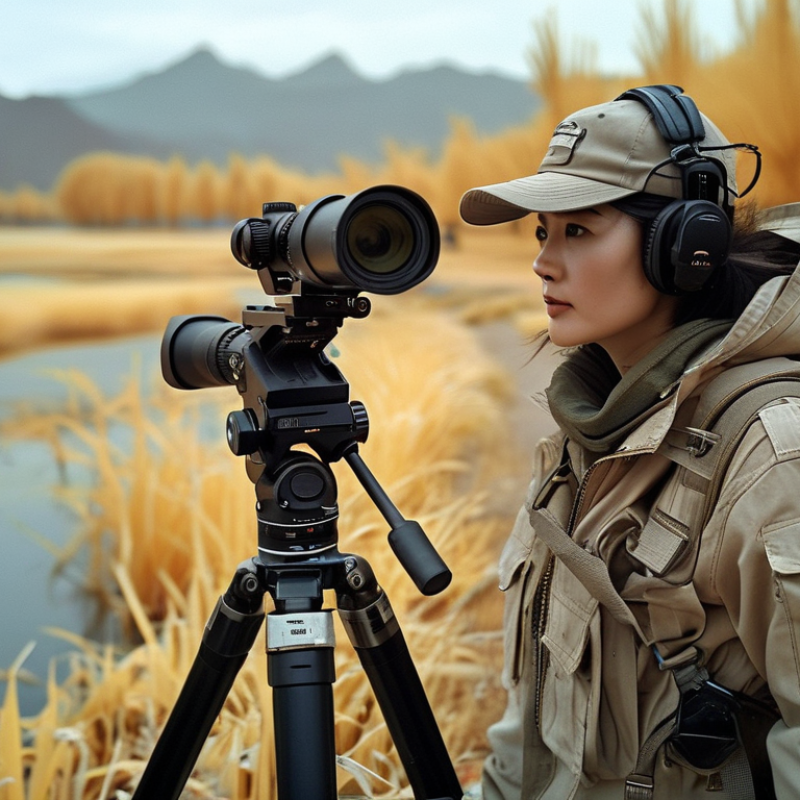
In wildlife monitoring, thermal cameras capture the nocturnal activities of animals without disturbing their behavior. Conservationists can gather valuable data on endangered species. Nonetheless, the initial investment can be substantial. Organizations must weigh the costs against the benefits. Balancing budget constraints with effectiveness is a common dilemma.
