
China Best Crispy Bread Crumbs Supplier for Global Buyers

For global food manufacturers, distributors, and bakery brands, choosing China’s best Crispy Bread Crumbs supplier involves more than comparing prices. Product consistency, clear specifications, and dependable communication all affect purchasing decisions. A sample should show the crumb size, color, aroma, and texture buyers expect. It should also perform well in the intended recipe, whether used as a coating, topping, or ingredient.

Details matter. Ask suppliers about ingredient lists, production controls, allergen handling, packaging options, and batch traceability. Request current product specifications and relevant quality documents, then check that the information matches your needs and destination-market requirements. A capable supplier should explain how it manages orders, sampling, lead times, and export packaging without making promises it cannot verify. Small points can reveal a lot.

Crispy bread crumbs may look simple, but moisture, particle size, and storage conditions can influence handling and performance. Buyers should assess samples under realistic conditions and confirm that bulk production matches the approved sample. No supplier is perfect, and a first conversation may leave questions unanswered. That is worth noting. A thoughtful sourcing process makes room for follow-up, independent checks, and clear written agreements. This guide outlines practical ways to evaluate Chinese suppliers and find a partner whose product quality, communication, and supply capabilities fit your business.
China Best Crispy Bread Crumbs Supplier for Global Buyers

What Are Crispy Bread Crumbs and How Are They Made?

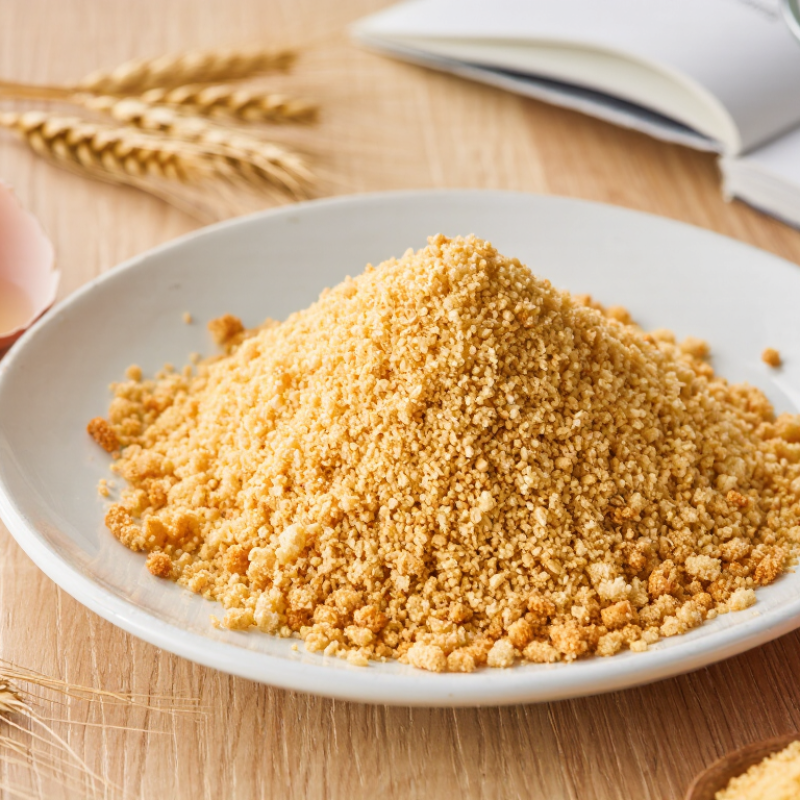
Crispy bread crumbs are small, dry pieces of baked bread with a firm, crunchy texture. Unlike fresh breadcrumbs, they contain less moisture, so they can stay crisp longer when stored correctly. Their color and flavor depend on the bread used and how it is dried or toasted. Some crumbs are pale and mild; others are darker with a more roasted taste. That difference matters.

They are typically made by baking bread, allowing it to cool, and then drying or toasting it until sufficiently crisp. The dried bread is ground and passed through screens to separate different particle sizes. Moisture and particle size need careful monitoring: crumbs that are too damp may soften, while uneven pieces can coat food inconsistently. Still, natural variation can occur between batches. There is no single ideal crumb size for every use. Buyers should test samples in their own recipes, checking how the coating adheres and browns during cooking. A simple test helps. Proper packaging also protects the crumbs from moisture during storage and transport.

Key Ingredients and Types of Crispy Bread Crumbs

China Best Crispy Bread Crumbs Supplier for Global Buyers

Key Ingredients and Types of Crispy Bread Crumbs

Crispy bread crumbs usually start with wheat flour, water, yeast, and a little salt. Some recipes include oil or sugar to adjust browning and texture. The crumb size matters: fine crumbs coat evenly, while coarse crumbs create a more noticeable crunch. For buyers, ingredient lists and particle size are useful starting points, but neither tells the whole story.

Tips: Check moisture, color, and aroma in a sample. A clean, toasted smell is reassuring. Also test the crumbs after frying; they may behave differently in an oven or air fryer.

Common types include dry crumbs, toasted crumbs, and Japanese-style flakes. Dry crumbs suit coatings that need an even layer. Toasted crumbs bring a deeper golden color and fuller flavor. Larger flakes can make fried foods look crisp and airy, though they may shed more during packing and transport. There is no single ideal type. A supplier should be able to explain its ingredient specifications, production controls, and storage guidance. Still, a sample test is worth the extra time. Even a small difference in crumb shape can change the finished bite.

Quality Standards for Evaluating a Supplier

China Best Crispy Bread Crumbs Supplier for Global Buyers

A supplier’s sample may look golden and crisp, but appearance alone cannot confirm consistent quality. Ask for written specifications covering particle size, moisture, color, flavor, and intended use. Then compare each production lot against the approved sample. A useful check is to fry crumbs under your own kitchen conditions and record browning, crunch, and oil absorption. Results can vary with the food being coated, so one test is never enough.

Food safety records deserve equal attention. The World Health Organization estimates that unsafe food causes 600 million illnesses and 420,000 deaths worldwide each year. These figures cover all food, not breadcrumbs specifically, but they show why supplier controls matter.

Review hazard analysis, sanitation records, allergen controls, and traceability procedures. Codex Alimentarius’ General Principles of Food Hygiene, revised in 2022, provides a recognized framework for good hygiene practices and HACCP-based controls. Request recent test results and check whether they match the product and production site you are buying from.

Ask how the supplier monitors foreign materials, manages complaints, and investigates out-of-specification batches. Good documentation helps. Still, paperwork cannot replace a factory audit or clear answers from production staff. Check that certificates are current and relevant to the facility; a certificate’s presence alone is not proof of every product’s quality. This takes time, and buyers may overlook small inconsistencies when a sample performs well. That is worth questioning.

How Global Buyers Can Select a China-Based Supplier

Global buyers choosing a China-based crispy bread crumbs supplier should begin with product specifications, not catalog photos. Define particle size, color, moisture range, and the texture required after frying. Ask whether the supplier can provide consistent batches for your intended applications. A small detail matters: crumbs that look similar in a sample may behave differently in hot oil. Test samples in your own kitchen.

Request recent batch records, ingredient information, and relevant food-safety documentation. Check whether the supplier’s stated controls match the records and production process you can verify. Compare samples from different production dates, not just one carefully prepared batch. Ask about minimum order quantities, lead times, and how packaging protects crumbs from moisture during shipping. Paperwork matters. So does the product.

Discuss how complaints, delayed shipments, and specification changes are handled before placing a large order. Clear answers are useful; vague promises deserve follow-up. A video call or factory assessment can help clarify equipment, storage, and quality checks, though neither guarantees every shipment will be perfect. Communication across time zones can also be uneven. Build in time for clarification, and keep agreed specifications in writing. There is no perfect supplier. The goal is a reliable match, tested against your actual needs.

China Best Crispy Bread Crumbs Supplier for Global Buyers — How to Select a China-Based Supplier

Wheat Production in Selected Major Producing Countries, 2022

Wheat supply is one upstream factor buyers may consider when assessing ingredient sourcing. These national production figures provide context only; they do not measure a breadcrumb supplier’s quality, capacity, or export performance. Verify each supplier’s ingredient origin and product specifications directly.

Source: FAOSTAT, Crops and livestock products, 2022. Values are rounded to one decimal place.

Export, Packaging, and Supply Considerations for International Orders

China Best Crispy Bread Crumbs Supplier for Global Buyers

For international orders, confirm product specifications before requesting a quotation. Discuss crumb size, color, moisture level, and whether the crumbs are seasoned or plain. These details affect coating coverage and frying results. Ask for a current specification sheet and representative samples. A quick kitchen trial can reveal differences that photos cannot.

Packaging matters during long transit. Moisture-resistant inner liners help protect texture, while strong outer cartons reduce crushing during stacking. Confirm net weight, carton dimensions, pallet configuration, and available shelf-life information. Make sure each bag and carton carries clear lot identification. Export documents and labeling needs vary by destination, so agree on requirements with your supplier and import partner before production. A sample may travel well; a full container can behave differently. That is worth checking.

Tips: Test a sealed sample after realistic storage, not just on arrival. Ask how the supplier monitors batch consistency and handles damaged packaging. Leave enough time for production, inspection, and shipping buffers. Small delays happen. Share your expected order schedule early, and keep written records of approved specifications and packaging details.

China Best Crispy Bread Crumbs Supplier for Global Buyers - Export, Packaging, and Supply Considerations for International Orders

Category Typical specification or planning range Export and purchasing considerations
Product formats Fine, medium, coarse, and Japanese-style panko; color may be natural or adjusted to an agreed specification. Request a sample and written specification. Confirm particle size, color, texture, ingredient list, and intended application before approving production.
Particle size Common commercial grades range from fine crumbs below about 1 mm to coarse flakes several millimeters in size; exact grading systems vary. Ask for the supplier’s sieve or particle-size method and agreed tolerance. A size description alone may not ensure equivalent coating performance.
Moisture and crispness Many shelf-stable crumb specifications target moisture in the approximate 8–12% range, depending on product style and process. Set the moisture limit in the purchase specification and request a batch certificate of analysis. Low moisture supports crispness but does not replace proper storage or validated shelf-life testing.
Ingredients and allergens Ingredients commonly include wheat flour, water, yeast, salt, and, where applicable, oil, sugar, or seasonings. Obtain the full ingredient and allergen declarations, including cross-contact information. Wheat contains gluten; check local labeling rules and buyer requirements for every destination.
Food-safety documentation Documents may include product specification, batch COA, allergen statement, and food-safety system certificates where available and in scope. Verify certificate validity, issuing body, site, and product scope. Destination-specific health or conformity documents should be confirmed with the importer and relevant authorities before shipment.
Retail packaging Common formats include sealed pouches or bags, often around 250 g to 1 kg per unit, packed into corrugated cartons. Agree on net weight, label language, nutrition panel, date coding, lot identification, and packaging material requirements before artwork approval.
Food-service packaging Common bulk packs include approximately 5 kg, 10 kg, or 20 kg bags; multiwall paper bags with a food-grade inner liner are one available format. Confirm liner material, seal type, bag strength, carton or pallet configuration, and whether packaging is suitable for the buyer’s handling and storage conditions.
Shelf life and storage A commercial shelf-life target of 9–12 months may be used for planning, but the approved period depends on formulation, packaging, and validated testing. Request supporting shelf-life information and production-date details. Store in a cool, dry place, keep packages sealed, and protect goods from humidity, pests, and strong odors.
Palletization and loading Carton count and shipment weight depend on bag size, carton dimensions, pallet pattern, and container limits; there is no universal loading quantity. Request a packing list with carton dimensions, gross and net weights, pallet details, and a proposed container-loading plan. Keep cargo dry and use suitable protection against condensation.
Shipping conditions Dry bread crumbs are generally shipped as ambient, non-refrigerated cargo when packaging and product specifications permit. Use a clean, dry container and inspect it before loading. Avoid water exposure, damaged cartons, and placement beside odor-emitting or incompatible cargo.
Typical export documents Commercial invoice, packing list, transport document, and certificate of analysis are commonly requested; additional documents depend on the trade lane. Confirm document names, originals or electronic formats, consignee details, and any certificate requirements before booking. Import rules differ by country and product classification.
HS classification and duties Prepared cereal or bakery products may be classified under different tariff lines depending on composition and national tariff rules. Do not rely on a generic code for customs clearance. Ask the importer or customs broker to confirm the destination-country classification, duty rate, and any applicable trade measures.
Order planning and lead time Production and dispatch timing varies with order quantity, packaging format, artwork approval, raw-material availability, and shipping schedule. Confirm minimum order quantity, production slot, sample approval, payment terms, Incoterm, and shipment window in writing. Allow extra time for label review and destination-document checks.
Quality checks on arrival Useful checks include package integrity, lot and date codes, odor, color, particle consistency, and the agreed COA results. Agree on inspection and claims procedures before purchase, including sampling method, notification period, evidence required, and responsibility for freight or replacement costs.

Planning figures above are general industry guidance, not a product guarantee. Final specifications, shelf life, packaging, documentation, and import compliance should be confirmed for the individual product and destination market.