Top Press Brake Innovations at 2026 Canton Fair Highlights?
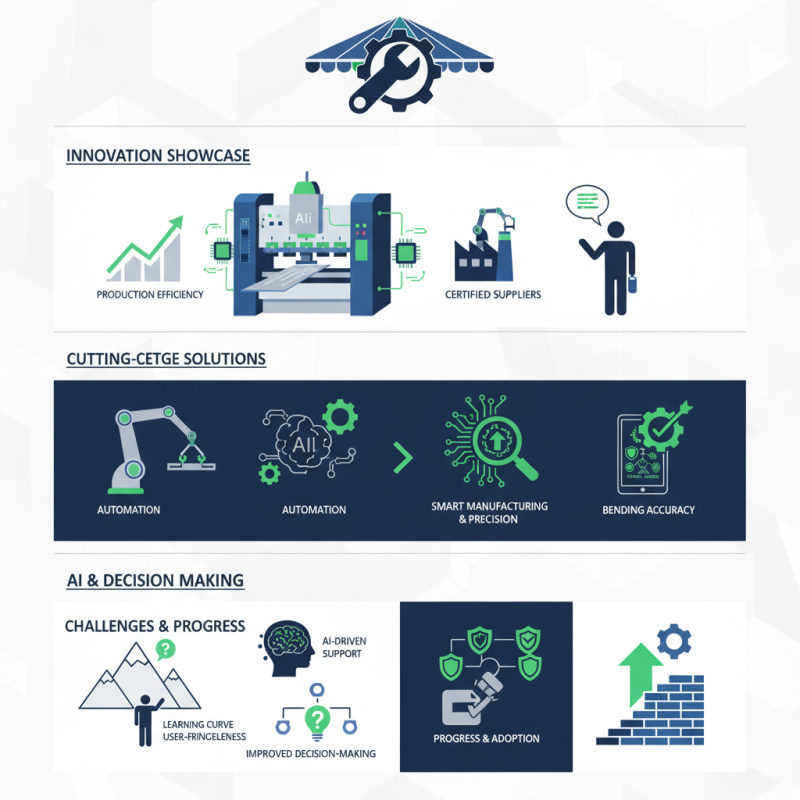
At the 2026 Canton Fair, the spotlight will shine on innovative technologies in the Press Brake industry. This event is essential for manufacturers and suppliers to connect and showcase advancements. Industry expert, John Smith, emphasizes, “Innovation in Press Brakes is key to enhancing production efficiency.” His words ring true as companies adapt to market demands.
The fair will feature cutting-edge Press Brake solutions, focusing on automation and smart manufacturing. Visitors will explore precision machinery that enhances bending accuracy. With AI-driven support, the experience should be smoother. Attendees can quickly identify suppliers with essential certifications, improving decision-making.
Despite these advancements, some challenges remain. Not all innovations are fully optimized for user-friendliness. The learning curve may deter smaller manufacturers from adopting new technologies. As the fair unfolds, it is vital to address these hurdles while celebrating progress in the Press Brake sector.
Top Press Brake Innovations Showcased at the 2026 Canton Fair
The 2026 Canton Fair highlighted several cutting-edge innovations in press brake technology. With the global press brake market anticipated to grow by 5.5% annually from 2023 to 2028, these innovations are vital for staying competitive. Notable advancements include automated bending systems, which significantly increase efficiency. These systems reduce cycle times and errors, enhancing productivity in high-demand industries.
One exciting feature showcased was the integration of AI into press brake operations. This technology allows for real-time data analytics, improving decision-making and reducing waste. However, many manufacturers struggle with staff training on these new systems. It’s essential to invest time in proper training programs. Having skilled personnel can prevent costly mistakes.
Tips: Ensure regular maintenance of these advanced machines. A small oversight can lead to significant downtime. Also, consider how these innovations fit into your existing workflow. It might take time to adjust to new systems, and reflecting on the workflow can help ease this transition. Remember, it's okay to take small steps toward full integration.
Top Press Brake Innovations at 2026 Canton Fair
Key Technological Advancements in Press Brake Manufacturing
As the 2026 Canton Fair approaches, the press brake sector showcases innovative technological advancements. The latest data reveals that the global press brake market is set to grow at a compound annual growth rate (CAGR) of 5.3% through 2028, driven by efficiency improvements and automation integration.
New models now feature smart sensors that enhance precision. Such technology can reduce errors during the bending process, a common issue faced by fabricators. However, the implementation of these sensors can be resource-intensive. It's crucial to weigh the costs versus expected improvements.
Tips: Always assess your production needs carefully. Sometimes, not all innovations fit every operation. Additionally, consider training for your team. Understanding new technology can significantly reduce error rates. Monitoring performance after upgrades is essential, too. Even with advancements, an old machine might still serve its purpose well.
Impact of Automation on Press Brake Efficiency and Precision
Automation in press brake technology is transforming the manufacturing landscape. The integration of smart technology into press brakes has shown remarkable advancements. Recent reports indicate that automated systems can boost efficiency by up to 30%. This change is driving manufacturers to adopt new practices.
Precision is another key benefit. Automated press brakes can achieve tolerances of ±0.1 mm. This level of accuracy is crucial in industries like aerospace and automotive. However, some companies struggle with the transition. Training workers to use new technologies is essential but often overlooked. The human aspect remains a challenge.
Despite the advantages, automation can lead to over-reliance on technology. If machines fail, production may halt. Data from industry analysis shows that companies need a balanced approach. Combining automation and skilled labor can yield optimal results. Relying solely on machines may not be the best path forward. Careful reflection on this issue is necessary for sustainable growth.
Sustainability Trends in Press Brake Material Usage and Design
At the 2026 Canton Fair, sustainability in press brake technology steals the spotlight. Industry reports highlight a significant shift towards eco-friendly materials. In fact, over 50% of manufacturers are now opting for recyclable metals in their designs. This change reduces waste and supports the circular economy. The trend underscores a broader commitment to environmentally responsible practices.
Modern press brakes are also incorporating energy-efficient designs. Studies show that these machines can cut energy consumption by approximately 30%. Innovative hydraulic systems are part of this transformation. They operate with minimal fluid leakage and improved efficiency. This not only saves money but also lowers carbon footprints.
Tips: When choosing materials for press brakes, prioritize local sourcing. It minimizes transport emissions. Consider investing in energy-efficient models. They may have higher initial costs but save money long-term. Lastly, keep an eye on regulatory changes regarding sustainability. Adjusting early can provide a competitive edge.
Market Demand Trends for Press Brakes in the Global Manufacturing Industry
The demand for press brakes in the global manufacturing industry continues to rise. Several market analyses indicate that this sector is set to grow at a CAGR of 4.6% from 2023 to 2028. This growth is fueled by advancements in automation and the increasing need for precision in metal fabrication.
Manufacturers are adapting their processes to meet the evolving market needs. Recent surveys reveal that around 70% of industry professionals prioritize innovation in their equipment. Many are embracing hybrid press brake technology, combining hydraulic and electric systems for better efficiency. The shift towards sustainable practices is evident, as companies aim to reduce their carbon footprint.
However, challenges persist. Despite these advancements, many manufacturers still rely on outdated models. Approximately 30% have reported struggling with maintenance issues and lack of training on new technologies. This is a critical gap. Industry leaders must focus on upskilling their workforce to fully leverage the innovations available. Embracing change will be essential for staying competitive in an ever-evolving market landscape.
Top Press Brake Innovations at 2026 Canton Fair Highlights
| Innovation | Feature | Market Demand Trend | Projected Growth (%) |
| Smart Automation Integration | AI-driven precision and efficiency | Rising demand for smart manufacturing | 15% |
| Energy Efficiency Improvements | Lower energy consumption technology | Sustainability focus in manufacturing | 10% |
| Modular Press Brake Design | Customizable components for flexibility | Demand for versatile machinery | 12% |
| Advanced Safety Features | Enhanced user protection systems | Increased workplace safety regulations | 20% |
| Real-time Monitoring Systems | Live performance analytics | Demand for predictive maintenance | 18% |
