2026 Best Silicone Products for Global Buyers to Discover?
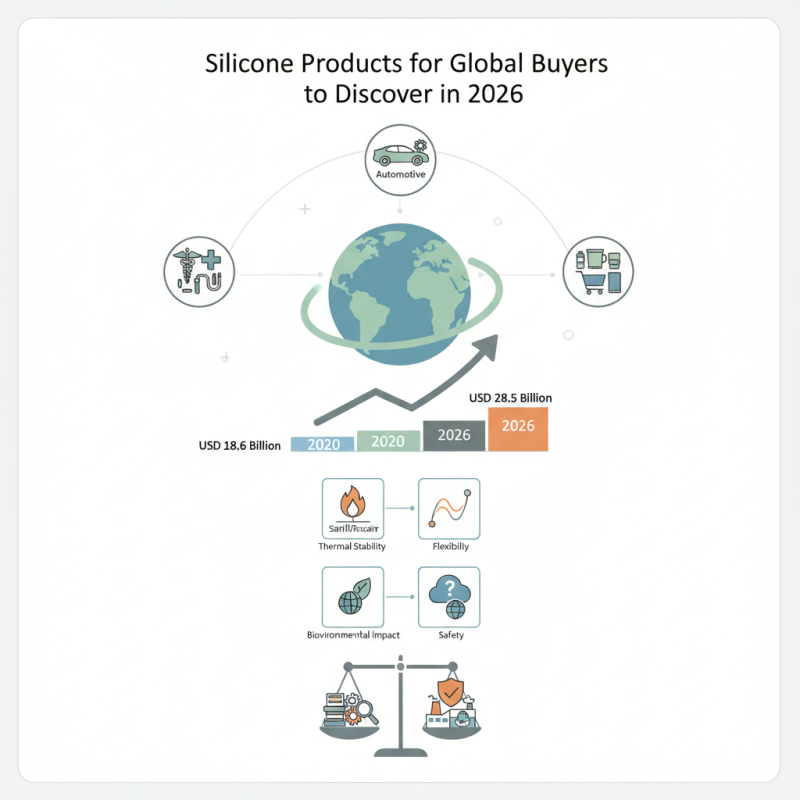
The global market for Silicone Products is witnessing remarkable growth. According to a report by MarketsandMarkets, the silicone market was valued at USD 18.6 billion in 2020 and is projected to reach USD 28.5 billion by 2026. This surge is driven by the increasing use of silicone in diverse applications, including healthcare, automotive, and consumer goods.
Silicone products offer unique properties, such as thermal stability and flexibility, making them preferable in various industries. For instance, in the medical sector, silicone is favored for its biocompatibility and safety. Its versatility allows manufacturers to create innovative solutions that meet stringent regulatory standards. However, potential over-reliance on silicone could pose challenges. The environmental impact of silicone production and disposal needs careful consideration.
As buyers navigate the extensive landscape of silicone products, understanding these trends is crucial. The year 2026 will unveil significant advancements and options that buyers must explore. Competitiveness in this market requires awareness of quality, sustainability, and application versatility. Thus, buyers should remain informed to make educated choices.
2026 Trends in Silicone Products for Global Consumers
The silicone product sector is rapidly evolving. According to a recent market report, the silicone market is projected to reach $20 billion by 2026, driven by demand in various industries. These products are more than just practical; they embody innovation and sustainability.
A notable trend is the rise of eco-friendly silicone. Consumers are becoming increasingly conscious of environmental impacts. Silicone, being durable and reusable, aligns with this green initiative. The annual increase in eco-conscious buyers is evident, as 62% of consumers express preference for sustainable materials. This shift influences product design, leading to higher demand for silicone kitchenware and personal care items made from environmentally friendly sources.
Tip: When shopping, look for certifications that ensure products are made from recycled silicone or are BPA-free.
Interestingly, the multifunctionality of silicone products is gaining traction. Items that serve multiple purposes are appealing more to consumers. For example, silicone baking mats not only withstand high temperatures but are also easy to clean. However, not all silicone is created equal; so quality assurance remains a serious concern. Checking product reviews can help identify reliable products.
Tip: Look for reputable sources for reviews and certifications. They can save you from poor quality products.
In this dynamic market, staying informed is essential. The upcoming years will likely bring innovative silicone solutions to everyday problems, while addressing consumer desires for sustainability and practicality.
2026 Best Silicone Products for Global Buyers to Discover
| Product Category | Trend Analysis | Target Market | Sustainability Feature | Price Range |
| Silicone Kitchenware | Growing demand for non-stick, heat-resistant products | Home chefs, culinary enthusiasts | Made from food-grade silicone, BPA-free | $10 - $50 |
| Silicone Baby Products | Increased focus on safety and sensory development | Parents, caregivers | Non-toxic, hypoallergenic materials | $5 - $30 |
| Silicone Travel Accessories | Growing trend in eco-friendly and lightweight products | Frequent travelers, outdoor enthusiasts | Recyclable silicone materials | $15 - $60 |
| Silicone Personal Care Items | Rise in demand for reusable and eco-conscious products | Health-conscious consumers | Biodegradable silicone options available | $8 - $25 |
| Silicone Household Items | High durability and versatility driving consumer interest | Homeowners, families | Eco-friendly production processes | $12 - $40 |
Key Features to Look for in Silicone Products
When exploring silicone products, several key features stand out. Durability is a significant factor. Silicone can withstand extreme temperatures, making it ideal for kitchenware and bakeware. It resists cracking and fading, even with frequent use. This makes silicone an attractive option for various applications, from cooking to crafting.
Another important aspect is flexibility. Silicone products are often lightweight and easy to handle. They can bend without breaking, making them perfect for molds and containers. This flexibility offers convenience in storage and transportation. However, not all silicone products are created equal. Buyers must check for high-quality silicone, as lower-grade materials may not perform as well.
Lastly, consider the ease of cleaning. Silicone is generally dishwasher safe, but some products may have additional coatings that complicate cleaning. Users should pay attention to product details regarding care instructions. It’s essential to balance quality and price. Sometimes, cheaper options may lead to dissatisfaction due to poor performance or durability issues. Always prioritize reliable suppliers when purchasing silicone goods.
Top Manufacturers and Brands of Silicone Products in 2026
In 2026, the silicone product market continues to grow. A recent industry report indicates that the market size is projected to reach $30 billion by 2027. This growth reflects the rising demand for silicone in multiple sectors. Healthcare, automotive, and consumer goods lead this trend. The versatility of silicone makes it a favored choice for manufacturers. Its durability and resistance to extreme temperatures are key benefits.
Top manufacturers are emerging worldwide, reflecting regional strengths. Asia-Pacific is a hub for silicone production, driven by innovation and cost efficiency. North America maintains a strong presence due to advanced technology and strict quality standards. Various brands focus on eco-friendly silicone options, catering to environmentally conscious consumers.
However, challenges persist in sourcing raw materials. Fluctuations in prices can affect production costs. Manufacturers must navigate regulations that vary by country. Sustainability practices also require continuous improvement. As companies strive for excellence, assessing and adapting strategies will be vital for staying competitive in the rubber and silicone industry.
Innovative Applications of Silicone Products Across Industries
Silicone products are remarkable for their versatility across various industries. Different sectors are exploring innovative applications of silicone, from healthcare to automotive. A recent report by MarketsandMarkets indicates that the silicone market is projected to reach $21 billion by 2026. This growth stems from significant demand in manufacturing, construction, and consumer goods.
In healthcare, silicone is widely used for medical devices and prosthetics. Its biocompatibility makes it ideal for implants and tubing. According to a survey by the Medical Device Innovation Consortium, 78% of medical professionals prefer silicone for its safety and durability. However, there are still challenges in ensuring consistent quality across manufacturers.
The automotive industry also benefits from silicone's unique properties. It is utilized for seals, gaskets, and electrical insulation. As per a report by Technavio, the automotive silicone market will grow at a compound annual growth rate of over 6% from 2022 to 2026. Yet, sustainability remains a question. While silicone is durable, its environmental impact during production and disposal needs to be addressed. Balancing innovation with ecological responsibility continues to be a crucial aspect of development.
Sustainability Considerations in Silicone Product Selection
When selecting silicone products, sustainability is key. Many buyers overlook the environmental impact of these materials. Silicone is durable, flexible, and reusable. However, the production process can be energy-intensive. Understanding this is essential for making informed choices.
Ethical sourcing is crucial. Not all silicone products are created equal. Some manufacturers prioritize eco-friendly practices while others do not. Consumers should research the production methods. Are they using renewable energy? Are they minimizing waste? These questions matter.
Recycling options also vary by region. Not every silicone product can be easily recycled. Buyers need to think about the end life of their purchases. Sustainable practices should be a priority from the beginning to the end of a product’s life cycle. This approach helps minimize environmental impact and fosters responsible consumption.
