2026 Best Powder Metallurgy Techniques for Global Buyers?
In the evolving landscape of manufacturing, Powder Metallurgy stands out as a vital technique. It offers precise control over material properties. This method combines powdered metals into solid parts through pressing and heating. The global demand for high-quality components has made Powder Metallurgy increasingly relevant.
Experts analyze various Powder Metallurgy techniques and their applications. Innovation drives advancements in this field. Still, challenges such as cost and sustainability persist. Buyers should evaluate techniques based on their unique needs and performance criteria. Understanding these complexities helps ensure optimal decisions.
As industries shift toward greener technologies, Powder Metallurgy must adapt. Exploring the latest techniques reveals opportunities for quality improvements. There is no one-size-fits-all solution. Assessing strengths and weaknesses is crucial for buyers. The exploration of 2026's best Powder Metallurgy techniques promises valuable insights for global markets.
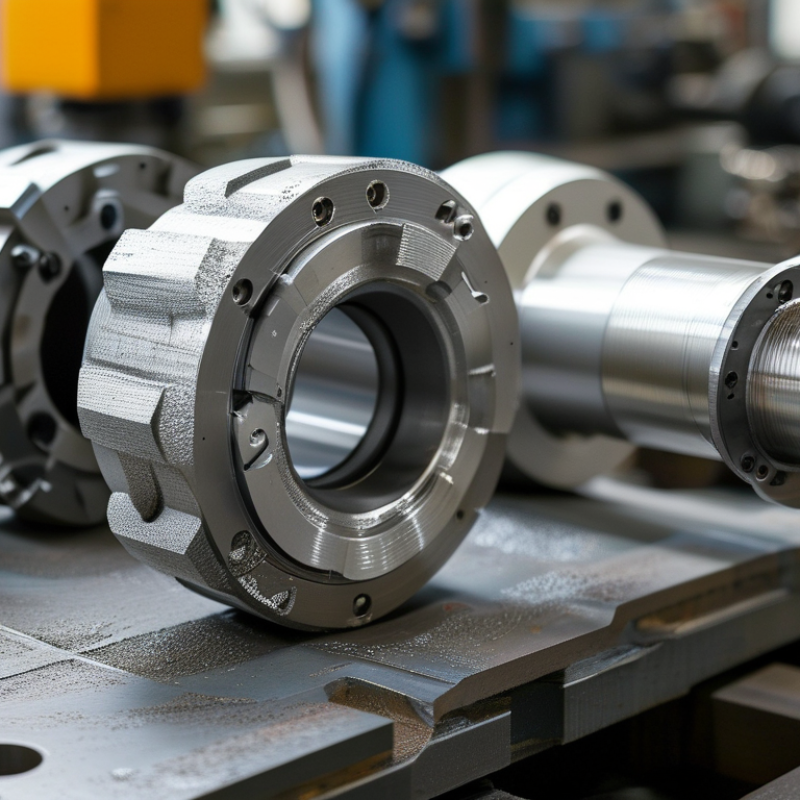
Overview of Powder Metallurgy Techniques in 2026
The landscape of powder metallurgy is continually evolving. In 2026, advancements in techniques are crucial for global manufacturers. Reports indicate that the market for powder metallurgy is projected to grow at a CAGR of 6.5%, reaching approximately $12 billion by 2028. This growth is driven by increased demand for lightweight materials in the automotive and aerospace sectors.
Innovative processes such as additive manufacturing and metal injection molding are gaining traction. These techniques allow for more complex geometries and improved mechanical properties. According to the Metal Powder Industries Federation, around 80% of manufacturers are exploring advanced materials like titanium and tool steels. These materials exhibit higher strength-to-weight ratios, making them ideal for modern applications.
However, challenges remain in scaling these techniques for mass production. The need for quality control and cost-effective solutions is pressing. Many companies report difficulties in maintaining consistency across large batches. Despite these hurdles, the future of powder metallurgy looks promising, marked by ongoing research and development efforts to refine these critical techniques.
Key Advantages of Using Powder Metallurgy for Global Buyers
Powder metallurgy (PM) has become increasingly popular due to its numerous advantages for global buyers. It allows for the production of complex shapes and components that can be difficult to achieve through conventional methods. A report from the American Powder Metallurgy Association indicates that PM components can be manufactured with up to 90% material utilization, minimizing waste significantly. This attribute is appealing for companies striving for sustainability.
Another key benefit of powder metallurgy is its ability to tailor material properties. By adjusting the powder composition, manufacturers can create bespoke alloys that meet specific performance criteria. A study by Smithers Pira highlights that custom properties can enhance wear resistance and reduce thermal expansion. However, achieving these desired traits may require careful process monitoring and material testing. This aspect often necessitates robust quality control measures, which can sometimes be challenging to implement.
Cost efficiency is also a significant aspect. While initial tooling costs may be high, PM can lead to lower production costs over time. According to a research report by Grand View Research, companies can potentially lower their production costs by up to 30% using powder metallurgy. Yet, it is important to consider the trade-offs, such as longer lead times for tooling and limited flexibility in design modifications after production begins.
Emerging Trends in Powder Metallurgy: Innovations and Developments
The field of powder metallurgy is experiencing exciting transformations. Innovations are reshaping manufacturing processes and pushing the boundaries of what’s possible. New techniques enhance efficiency, reduce waste, and improve material properties. The integration of advanced technologies like 3D printing and artificial intelligence is noteworthy. These advancements streamline production timelines and elevate product quality.
Emerging trends reveal a stronger focus on sustainability. Companies are exploring methods to recycle powders and minimize environmental impact. However, challenges remain in standardizing these processes across various industries. There is a noticeable gap between innovation and widespread adoption. Not every novel technique is practical for all applications. This requires a careful evaluation of each method's feasibility and cost-effectiveness.
Research shows that collaboration among different sectors drives progress in powder metallurgy. Experts are encouraging open dialogue between academia and industry. While innovation is crucial, understanding the market needs is just as important. Mismatched expectations can lead to wasted resources. Overall, the industry stands at a crossroads, balancing innovation with practicality.
Comparative Analysis of Powder Metallurgy Techniques Across Industries
In the world of powder metallurgy, different techniques are employed across various industries to optimize production processes. For instance, cold compaction is favored in the automotive sector for its cost-effectiveness. This method enables manufacturers to produce complex shapes with tight tolerances. However, some experts argue that this can sometimes lead to inferior mechanical properties compared to other methods.
Hot isostatic pressing (HIP) offers a contrasting approach. It involves applying heat and pressure simultaneously, enhancing density and mechanical strength. Industries that require high-performance materials, like aerospace, often prefer HIP. Yet, this technique can be resource-intensive and may not be suitable for all applications. Evaluating the balance between production cost and material performance remains a challenge.
Another technique, selective laser sintering (SLS), is revolutionizing additive manufacturing. It allows for rapid prototyping and customization. SLS techniques are becoming popular in sectors like medical devices, where precision is critical. Still, the speed of SLS can sometimes lead to quality inconsistencies, raising questions about reliability. The diversity of powder metallurgy techniques reflects a broader industry need for adaptability and innovation.
Future Prospects and Challenges in Global Powder Metallurgy Market
The global powder metallurgy market is poised for significant growth by 2026. Innovations in techniques promise efficiency and product quality. However, challenges accompany these advancements. Companies must adapt quickly to fluctuating raw material costs. The demand for sustainable practices also creates tension between cost-efficiency and environmental responsibilities.
As technology progresses, the skill gap in the workforce becomes more pronounced. Workers trained in traditional methods may find it hard to transition to advanced techniques. This gap can hinder productivity and innovation. Additionally, the reliance on global supply chains complicates logistics. Disruptions in any part of the chain can lead to delays and increased costs.
The future of powder metallurgy is exciting yet uncertain. Companies need to invest in employee training and technology. They must also rethink supply chain strategies to mitigate risks. Balancing innovation and cost will be crucial. Each step forward should thoughtfully consider its impact on the environment and society.
2026 Best Powder Metallurgy Techniques Insight
