2026 Best Mechanical Parts Suppliers for Your Needs?
In the evolving landscape of manufacturing, finding the right mechanical parts suppliers is crucial. Renowned industry expert Johnathan Lee once stated, "The quality of your suppliers defines the quality of your product." His insight underscores the significance of selecting suppliers who meet specific needs.
mechanical parts suppliers play a vital role in various industries. They provide components that can make or break a project. When companies source parts, they often face challenges such as delays, inconsistent quality, or high costs. The right partner can mitigate these risks. However, many suppliers may not meet expectations.
It's essential to research suppliers thoroughly. Look for those with a reputation for reliability and adaptability. Engage with their past clients and assess their feedback. This diligence can lead to a successful partnership. As the demand for precision and efficiency rises, the right mechanical parts suppliers can greatly influence a company’s success.
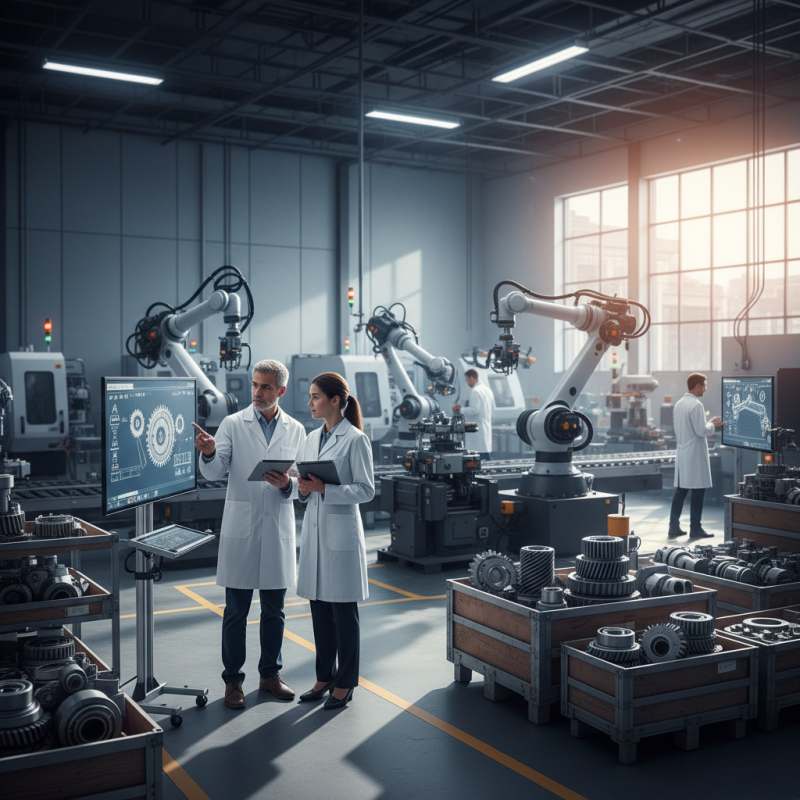
Overview of Mechanical Parts and Their Importance in Industry
Mechanical parts play a vital role across multiple industries. They are essential in manufacturing, automotive, and aerospace sectors. Without these components, machines wouldn't function efficiently. A study from the International Federation of Robotics highlights that the global mechanical parts market is projected to grow at a CAGR of 5.4% from 2022 to 2028. This growth emphasizes the increasing reliance on mechanical components in advanced technologies.
Additionally, mechanical parts can degrade over time. Regular maintenance is necessary to ensure optimal performance. Engineers often find themselves grappling with supply chain challenges. A report from McKinsey indicates that 70% of companies face delays due to sourcing issues. These disruptions can impact production schedules significantly. Effective management of mechanical parts is crucial to mitigate these risks.
Choosing the right mechanical parts supplier is more important than ever. Not all suppliers maintain high quality standards. Some may offer lower prices but compromise reliability. Industry professionals stress the need for thorough vetting of suppliers. Quality directly affects machinery performance and safety. In 2023, a survey found that 60% of manufacturers encountered problems from substandard mechanical components. Hence, investing time in selecting suppliers may seem tedious, but it is vital for long-term success.
Criteria for Selecting the Best Mechanical Parts Suppliers
When selecting the best mechanical parts suppliers, various criteria should guide your decision. Reliability is key. Look for suppliers who consistently deliver quality parts on time. Check if they have a history of meeting deadlines. This can significantly affect your project timelines.
Pricing is another critical factor. While it’s tempting to choose the lowest price, consider the overall value. Sometimes, paying a bit more ensures better quality. However, this is a balancing act. Too high a price can strain budgets, and too low may lead to issues later.
Tips: Always request samples. This helps assess quality before making a bulk order. Don’t hesitate to ask for references. Speaking with past clients can provide insights into the supplier's reliability.
Communication skills are also essential. Suppliers should respond quickly and clearly to queries. Delayed responses can stall projects, affecting everyone involved. Be wary of suppliers who struggle in this area. Their focus might not be on customer service.
Lastly, consider their technical support. A supplier that offers guidance and troubleshooting can save time and money during production. Look for partners who prioritize your needs. This often reflects their commitment to long-term relationships.
Top Mechanical Parts Suppliers for Different Industry Needs
When selecting mechanical parts suppliers, consider the unique needs of your industry. Automotive manufacturers require precision components, while the aerospace sector focuses on lightweight materials. Each industry has its specific priorities that demand attention.
Quality assurance is essential in every sector. Suppliers must adhere to strict standards to ensure safety and performance. However, not all suppliers may fully meet these requirements. Conducting thorough audits can help identify potential issues. It's crucial to ask the right questions about production processes and quality controls.
Additionally, communication plays a vital role in building relationships with suppliers. Sometimes miscommunications can lead to delays or errors. Engaging with suppliers frequently helps clarify expectations and improves overall efficiency. Striving for a partnership rather than just a transaction can yield better results in the long run.
Comparative Analysis of Supplier Pricing and Quality
When evaluating mechanical parts suppliers, pricing and quality are paramount. A recent industry report found that 60% of manufacturers prioritize cost over quality, often to their detriment. This focus on low prices can lead to increased failure rates in mechanical components. A flawed part can escalate production costs significantly. Poor quality also impacts overall efficiency and customer satisfaction.
In contrast, suppliers who invest in quality assurance protocols often charge higher prices. According to a 2023 survey, companies using reliable suppliers experienced 40% fewer defects. This, in turn, results in long-term savings. The investment in quality pays off. A balanced approach, considering both price and quality, is essential. Relying solely on low-cost suppliers is a gamble that can undermine a company's reputation.
Supplier pricing variability is another concern. Reports show price discrepancies of up to 30% among suppliers offering similar quality. This inconsistency complicates decision-making. Companies may need to reassess their procurement strategies regularly. Regular evaluations can unveil hidden costs associated with cheaper options. Finding a supplier that aligns with your needs can enhance operational stability.
Future Trends in Mechanical Parts Supply and Innovation
The future of mechanical parts supply is shifting. Innovations are driving efficiency. According to industry reports, the global market for mechanical components is expected to reach $500 billion by 2025. This rapid growth points to evolving supplier relationships and technological advancements.
Supply chain issues are evident. Many suppliers struggle with delays and quality control. A study showed that 40% of manufacturers faced challenges in obtaining quality parts promptly. This highlights a critical need for better communication and trust between businesses and suppliers. Some companies are investing in predictive analytics to address these issues. However, data suggests that only 25% of firms are leveraging this technology effectively.
Sustainability is another pressing concern. Many suppliers are exploring eco-friendly materials, yet awareness remains low. A survey indicated that 60% of firms still prioritize cost over sustainability. This attitude could change, but it requires education and commitment across the industry. Adaptation is crucial to keep pace with these trends. Suppliers must rethink strategies to meet future demands and environmental standards.
2026 Best Mechanical Parts Suppliers for Your Needs? - Future Trends in Mechanical Parts Supply and Innovation
| Supplier Type | Material Type | Product Range | Industry Focus | Innovation Focus |
| Automotive Components | Aluminum | Engine Parts, Body Parts | Automotive | Lightweight Design |
| Industrial Machinery | Steel | Bearings, Gears | Manufacturing | Smart Technology |
| Electronics Components | Plastic | Connectors, Circuit Boards | Electronics | Sustainability |
| Aerospace Parts | Titanium | Structural Components | Aerospace | Advanced Composites |
| Construction Supplies | Concrete | Pipes, Blocks | Construction | Eco-Friendly Materials |
