Best AC/DC Solar Surface Pump at the 139th Canton Fair?
The 139th Canton Fair is set to showcase innovative products, including the AC/DC Solar Surface Pump. Scheduled from April to May 2026, this fair will feature advanced manufacturing, electronics, and more. As solar energy becomes prominent, solar pumps are essential for agriculture and irrigation. The AC/DC Solar Surface Pump stands out with its efficiency and versatility.
With the integration of AI capabilities, buyers can easily find suppliers meeting specific certifications. This feature enhances the purchasing experience, allowing for better navigation within the vast exhibition area. The AC/DC Solar Surface Pump can be a focal point for many, as it aligns with sustainable practices and modern needs.
Yet, the market faces challenges, such as varying quality and reliability of products. Buyers must be discerning. However, the Canton Fair represents an opportunity to directly assess these solar pumps and interact with manufacturers. Engaging with industry leaders at the fair can lead to valuable insights and potential improvements.
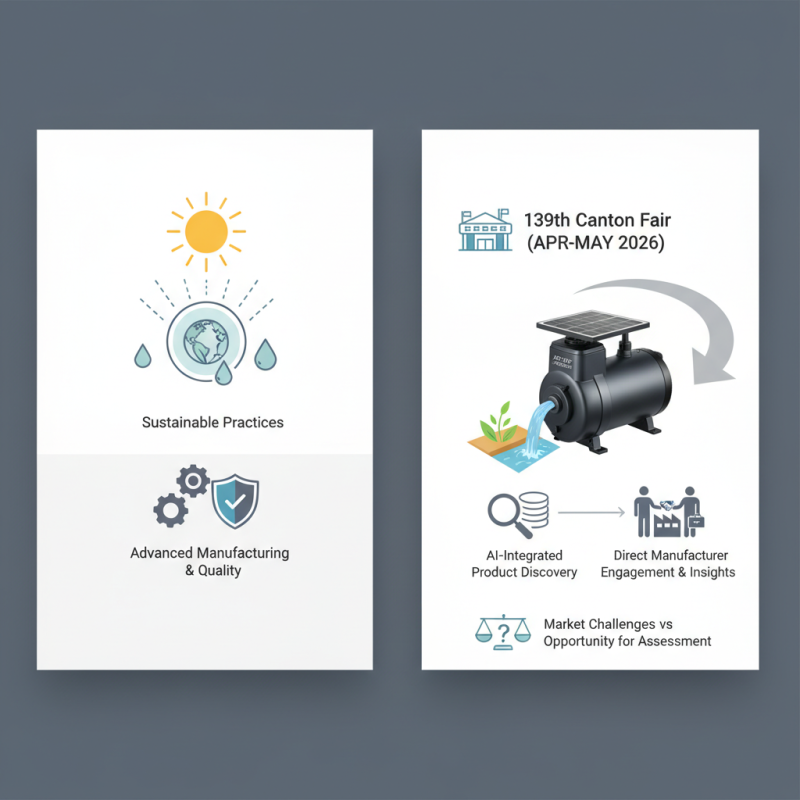
Overview of AC/DC Solar Surface Pumps
When exploring solar surface pumps, AC/DC models stand out for their versatility. These pumps can work efficiently in various settings, whether for agriculture or residential use. They are powered by solar panels, making them eco-friendly. In areas with consistent sunlight, these pumps thrive. However, during cloudy days, performance may dip.
One key tip is the importance of proper installation. Ensure that the solar panels are positioned to capture maximum sunlight. Even slight misalignments can reduce the pump's efficiency. It's also crucial to consider the voltage requirements of your system. Mismatched voltages can lead to inadequate performance.
Another point to reflect upon is the pump's maintenance needs. Regular checks can extend the pump's lifespan. Small issues, if left unattended, may lead to major repairs. Be proactive in maintaining the system, including cleaning the solar panels from dust and debris. This simple task can improve energy absorption significantly.
Evaluating your specific needs is also vital before choosing a pump. Not every model suits all applications. Think about the water source, depth, and required flow rate. These factors can influence your decision greatly.
Best AC/DC Solar Surface Pump at the 139th Canton Fair? - Overview of AC/DC Solar Surface Pumps
| Model | Max Flow Rate (L/min) | Power Source | Pump Head (m) | Weight (kg) | Price (USD) |
| Model A | 60 | Solar | 20 | 15 | 250 |
| Model B | 75 | AC | 25 | 20 | 300 |
| Model C | 50 | DC | 15 | 18 | 220 |
| Model D | 80 | AC | 30 | 25 | 350 |
Key Features to Consider in Choosing a Solar Surface Pump
When choosing a solar surface pump, consider efficiency as a key factor. An efficient pump maximizes performance while minimizing energy use. This not only saves on costs but also extends the pump's lifespan. Look for systems that offer adjustable flow rates. This flexibility can meet various demands, whether for irrigation, water features, or livestock needs.
Durability is another essential feature. Solar pumps are often exposed to harsh outdoor conditions. Materials that resist corrosion and wear are crucial. Ensure the pump can handle different weather scenarios. Regular maintenance is vital, even for durable models. Checking connections and cleaning filters will prevent unexpected breakdowns.
Lastly, evaluate the installation process. A straightforward setup can save time and costs. Some models may require additional accessories or specific placements. If installation is challenging, it may lead to frustrations later. Investing time in research can help avoid these pitfalls.
Top Brands Showcased at the 139th Canton Fair
At the 139th Canton Fair, many brands showcased their latest innovations. The focus was on AC/DC solar surface pumps. Exhibitors presented their designs, emphasizing efficiency and sustainability. Each stand had a unique approach. It was fascinating to see various styles and technologies.
Tips for selecting a solar pump: Consider your water needs. Assess the area for sunlight exposure. Make sure the model can handle your specific requirements. Many exhibitors have knowledgeable staff. They provide valuable insights about their products. Don’t hesitate to ask questions.
Visitors often overlook important details. Testing the pump's performance before buying is vital. Sometimes, the specifications can be misleading. Look for real-world user reviews. Authentic feedback helps in making informed decisions. Explore different options until you find the right fit.
Innovative Technologies in Solar Pumping Solutions
The 139th Canton Fair is showcasing innovative technologies in solar pumping solutions. Solar surface pumps are becoming popular for their efficiency and sustainability. According to a report by the International Renewable Energy Agency, solar irrigation systems can reduce energy costs by up to 70%. This is a significant benefit for farmers and communities in remote areas.
Solar panels have advanced significantly. Now, many pumps use smart technology to optimize energy use. They can adjust operations based on sunlight availability. This adaptability makes solar pumps more reliable. Data indicates that solar-powered systems can deliver water consistently for agricultural needs. However, some users report issues with installation and maintenance. These challenges can hinder widespread adoption.
Tips: Always consider the local climate. Not all solar pumps perform equally well under different weather conditions. Evaluate the energy output based on the hours of sunlight in your area. Regular maintenance is critical. Check for wear and tear to ensure efficient operation.
Market Trends and Consumer Preferences in Solar Pumps
At the 139th Canton Fair, solar surface pumps showcased a growing trend. Many consumers now prefer renewable energy solutions. The eco-friendly aspect appeals to those conscious of their environmental footprint. Buyers are looking for pumps that are efficient and reliable. They want technology that combines durability with affordability. Solar pumps must withstand various weather conditions.
Market preferences are shifting toward multi-functional models. There’s a noticeable interest in pumps that offer easy installation and maintenance. People often overlook the importance of user-friendly systems. While advanced features fascinate many, some consumers report feeling overwhelmed. They want practical solutions that can simplify their lives. A balance between innovation and usability is key.
Feedback from users indicates a demand for better customer service. Many express frustration with the lack of support post-purchase. Ensuring a responsive service team can significantly influence consumer loyalty. As solar technology continues to evolve, companies must reflect on consumer needs. They should focus on creating products that resonate with real-world challenges. Listening to consumers can lead to improved designs and higher satisfaction.
Best AC/DC Solar Surface Pump at the 139th Canton Fair
