2026 Top Pharma Grade Hyaluronic Acid Benefits and Uses?
Hyaluronic acid is gaining attention for its remarkable benefits and versatile uses. The term "Pharma Grade Hyaluronic Acid" signifies a higher standard of quality and purity. This makes it essential in various industries, especially in pharmaceuticals and cosmetics.
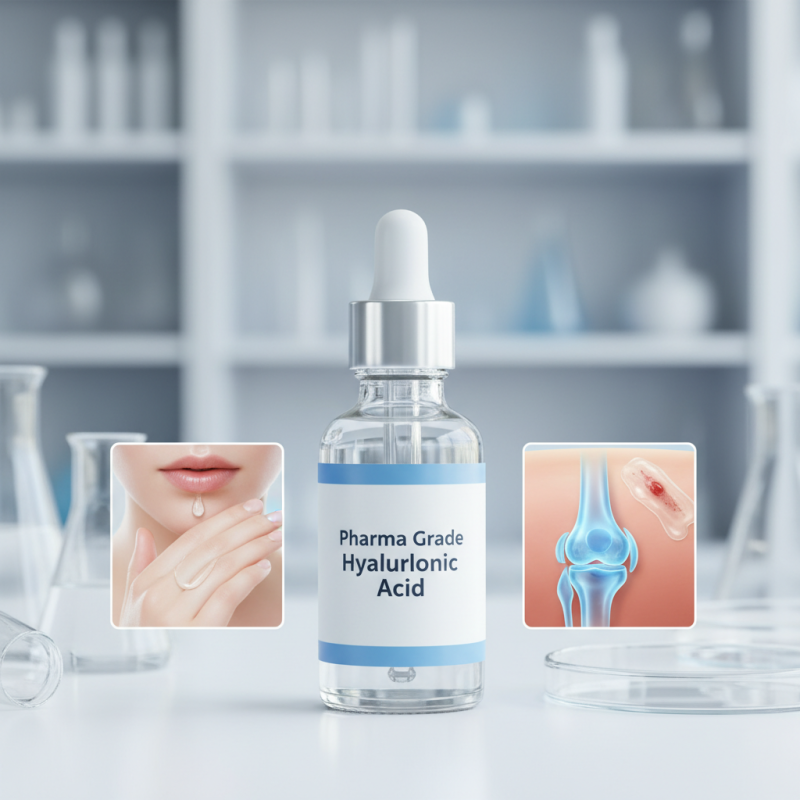
Pharma Grade Hyaluronic Acid is known for its exceptional ability to retain moisture. It helps hydrate skin effectively, giving it a youthful appearance. As an ingredient in injectables, it aids in joint health, providing relief and support. Moreover, its use in wound healing products showcases its healing properties. However, not all products labeled as hyaluronic acid meet the stringent criteria of "pharma grade."
Quality matters. Consumers need to be discerning when choosing products. Some sources may not adhere to high standards, resulting in less effective outcomes. This raises questions about product transparency and manufacturer integrity. Exploring the benefits and uses of Pharma Grade Hyaluronic Acid is essential for anyone seeking genuine results. Understanding these aspects can influence decisions in skincare regimens and medical treatments.
What is Pharma Grade Hyaluronic Acid?
Pharma grade hyaluronic acid is a high-quality form of hyaluronic acid. It is used in various medical and cosmetic applications. This substance is known for its exceptional ability to retain moisture. It is found in many skincare products due to its hydrating properties.
Using pharma grade hyaluronic acid can improve skin elasticity. It helps reduce the appearance of fine lines and wrinkles. Moreover, it can promote faster healing for wounds. Its compatibility with the human body makes it a favorite in dermal fillers and joint injections.
**Tips:** Always choose products with a high concentration. Look for formulations that suit your skin type. Remember that results can vary. Not every product works for everyone.
Injections of pharma grade hyaluronic acid can provide relief for joint pain too. This can be especially important for those with arthritis. The treatment offers a natural option for managing discomfort. Yet, it may cause slight swelling or bruising at the injection site. Always consult with a healthcare professional before starting any treatment.
Key Benefits of Pharmaceutical Grade Hyaluronic Acid
Pharmaceutical grade hyaluronic acid is renowned for its impressive benefits. It serves as an excellent moisturizer, drawing water into the skin. This can lead to a plump and youthful appearance. The consistency of pharmaceutical grade hyaluronic acid is higher than cosmetic grades, thus, it provides more effective hydration and skin repair.
A significant benefit of hyaluronic acid is its ability to heal wounds. It promotes faster recovery by retaining moisture in the skin. Additionally, it reduces scars and speeds up cell regeneration. For joint health, it acts as a lubricant, easing discomfort and improving mobility. This area has seen positive responses from many, showcasing its versatile applications.
Here’s a tip: when using hyaluronic acid, apply it on damp skin for better absorption. Avoid mixing too many active ingredients, as this may hinder effectiveness. Always patch test new products, as skin reactions can vary. People often overlook the importance of consistency in application. Regular use enhances results, leading to healthier skin and improved comfort in daily activities.
Common Uses in Skincare and Cosmetic Products
Hyaluronic acid is a key ingredient in many skincare products today. It’s well-known for its ability to retain moisture. In a world where hydration is crucial, this compound shines. It holds up to 1000 times its weight in water. That makes it a powerful player in keeping skin plump.
In cosmetic formulations, hyaluronic acid plays multiple roles. It not only hydrates but also enhances skin elasticity. Many serums and creams use it for immediate skin improvement. Users often report softer and healthier-looking skin. However, effectiveness can vary among individuals. Some may not notice substantial changes.
Beyond hydration, it aids in soothing irritation and reducing fine lines. Many find relief from dryness after regular use. Interestingly, results can be slow and subtle. Patience is key. In a fast-paced world, people seek immediate results. Yet, hyaluronic acid often requires consistent application to truly shine. This compounds the need for realistic expectations.
Medical Applications of Hyaluronic Acid: A Comprehensive Overview
Hyaluronic acid is a vital substance found in our bodies. It plays a key role in maintaining hydration and elasticity in the skin. Beyond beauty, it has significant medical applications. Its ability to retain moisture makes it invaluable in treating joint pain. Injecting hyaluronic acid into affected areas can relieve discomfort in conditions like osteoarthritis.
Wound healing is another area where hyaluronic acid shines. It promotes tissue repair and accelerates recovery. When applied to wounds, it can create a moist environment that supports healing. Some studies suggest it may help diminish scarring, although results vary.
Yet, not all applications yield perfect outcomes. While many patients benefit from injections, some experience side effects. These can include swelling or allergic reactions. Researchers continue to explore the ideal formulations and delivery methods. It’s essential to remain cautious and consult professionals when considering its use in medical treatments.
Future Trends in Hyaluronic Acid Research and Development
The field of hyaluronic acid research is evolving rapidly. Scientists are exploring innovative ways to utilize this substance. One exciting area is its application in regenerative medicine. Hyaluronic acid can enhance healing processes. It might promote tissue repair in various injuries.
Another interesting trend is the use of hyaluronic acid in skincare. More studies are focusing on its anti-aging properties. Researchers are investigating its potential to retain moisture in the skin. This could lead to new formulations that deliver better results. However, results can vary among individuals.
There are challenges too. Not all hyaluronic acid formulations perform the same. The purity and molecular weight can affect their efficacy. Future research must address these inconsistencies. Understanding how different forms of hyaluronic acid work is crucial. As the industry grows, so does the need for quality control.
2026 Top Pharma Grade Hyaluronic Acid Benefits and Uses
| Benefit/Use | Description | Research Trend | Future Applications |
| Moisturizing Agent | Hyaluronic acid retains moisture in the skin, improving hydration. | Increasing interest in cosmetic formulations. | New skincare lines featuring higher concentrations. |
| Joint Health | Used in supplements and injections for osteoarthritis treatment. | Clinical trials investigating enhanced formulations. | Potential use in regenerative medicine. |
| Wound Healing | Stimulates skin regeneration and reduces scarring. | Research on higher molecular weight hyaluronic acid. | Innovative treatments for chronic wounds. |
| Anti-Aging | Reduces the appearance of fine lines and wrinkles. | Emerging focus on bioactive compounds. | Advanced anti-aging treatments in the market. |
| Eye Care | Used in ophthalmic solutions to treat dry eyes. | Research aimed at improving ocular formulations. | New eye drops and surgical applications. |
