2026 Best Interlock Machine for Global Buyers How to Choose?
In the evolving landscape of textile manufacturing, selecting the right interlock machine is crucial. Industry expert Sarah Thompson, renowned for her insights on textile machinery, states, "Choosing an interlock machine requires a combination of functionality and reliability." Her words resonate deeply with global buyers seeking durable solutions.
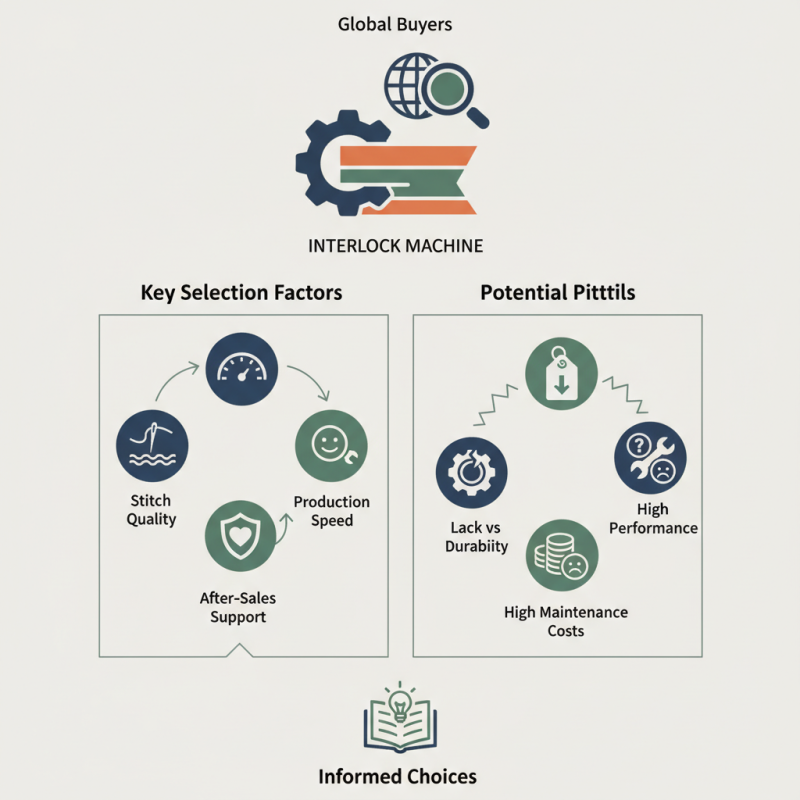
The interlock machine is vital for creating high-quality garments. It blends multiple layers of fabric, ensuring strength and flexibility. Factors like stitch quality, production speed, and user-friendliness should guide buyers. However, many overlook the importance of after-sales support. This aspect can significantly impact production efficiency.
Furthermore, potential pitfalls exist in the decision-making process. Not all machines offer the same features or warranties. Buyers are often swayed by price rather than performance. Some machines may lack durability, leading to higher maintenance costs. Reflecting on these challenges can empower buyers to make informed choices in an industry that demands excellence.
Understanding Interlock Machines: Key Features and Functions
Interlock machines play a crucial role in the textile industry. Their significance lies in their versatility and precision. These machines create strong seams, making them essential for high-quality fabric production. According to industry reports, the demand for interlock machines is expected to grow by 5% annually until 2026. This growth reflects the need for durable and efficient sewing solutions.
Key features of interlock machines include their multi-thread capability and flatlock stitching. Multi-thread capabilities allow for stronger seams that resist unraveling. Flatlock stitching is ideal for producing smooth seams on stretchy fabrics. Operators should consider the machine’s ease of use and maintenance. User-friendly interfaces can minimize learning curves for new operators. However, not all machines offer this simplicity. Some may have complex settings that complicate the sewing process.
Furthermore, reliability is a crucial aspect. An efficient interlock machine minimizes downtime. A study suggests that 30% of manufacturers face issues with machine failure. Regular maintenance can mitigate this risk, but it requires diligence. Buyers need to assess warranties and service options available with each machine. It’s important to weigh these factors against the machine’s price and performance potential.
Evaluating Performance: Speed, Efficiency, and Durability Criteria
Choosing the right interlock machine involves critical evaluation. Speed is essential. A study by the International Machine Association noted that faster machines can increase production rates by up to 30%. However, high speed can sometimes lead to errors. It is vital to balance speed with accuracy to maximize output.
Efficiency also plays a crucial role. Data from the Global Manufacturing Report states that energy-efficient machines use 25% less power than older models. This energy saving translates into cost reductions over time. Buyers should consider the total cost of ownership, including energy consumption and maintenance.
Durability cannot be overlooked. Machines designed with high-quality materials last longer. This durability reduces the frequency of repairs and replacements. Research shows that durable machines can surpass the average lifespan by 40%. However, some manufacturers may overstate longevity claims. Scrutinizing warranties and user reviews is crucial. This process helps ensure that your investment is sound and provides satisfactory long-term results.
Material Considerations: Selecting the Right Fabric for Interlock Machines
Selecting the right fabric for interlock machines is crucial for producing high-quality garments. The choice of material can significantly affect the final product's durability and performance, with reports suggesting that 70% of garment failures are linked to fabric issues. Key considerations include fabric weight, stretchability, and texture. Lightweight fabrics may create a smooth finish, but heavier fabrics often provide better structure and longevity.
When selecting materials, always consider the end use of the garment. For instance, fabrics intended for active wear should offer good stretch and moisture-wicking properties. Reports indicate that 65% of consumers prefer breathable fabrics in athletic clothing. Choosing a fabric that aligns with consumer preferences can enhance marketability and boost sales.
Tip: Sample various fabric types before committing to large orders. Test their performance on interlock machines to identify any compatibility issues. This reduces waste and ensures efficiency. Additionally, be mindful of sourcing sustainable materials. Consumers increasingly value eco-friendly options, and focusing on sustainable fabrics can significantly improve brand reputation.
Budgeting for Quality: Cost vs. Value in Interlock Machine Purchases
When considering interlock machines, understanding the balance between cost and value is essential. A recent industry report highlights that 55% of manufacturers prioritize quality over immediate cost savings. Investing in high-quality machines can lead to reduced maintenance costs and higher efficiency. For instance, the lifespan of premium interlock machines can exceed ten years, resulting in better long-term value.
Conversely, some buyers may lean towards cheaper options. However, this often leads to hidden costs. The same report shows that low-cost machines can incur up to 30% more in repairs over five years. This discrepancy can significantly impact overall budgeting. It is crucial to analyze not just the purchase price but the machine's reliability and performance history.
Maintenance and operational efficiency should factor into your decision. Notably, machines with advanced features may require higher upfront costs but can yield productivity increases of up to 40%. Balancing these elements can be challenging. Seeking expert opinions and reviewing detailed performance data can guide you toward a more informed investment. Assessing true value requires time and careful consideration.
Supplier Reputation: Researching and Choosing Reliable Manufacturers
When selecting an interlock machine for global sourcing, supplier reputation is crucial. Reliable manufacturers ensure high-quality products. Start by reading reviews from previous customers. Look at their experience in the industry. Consistency in delivering quality is a good sign.
Check their certification and compliance with international standards. This involves verifying their quality management systems. Certification can indicate a manufacturer's commitment to maintaining industry standards. However, don’t rely solely on certifications. Some companies may misrepresent their capabilities.
Tips: Reach out to past customers. Ask about their experiences regarding product reliability. Consider visiting suppliers if possible. Seeing operations firsthand can reveal inefficiencies. It’s crucial to understand that not every supplier will meet your expectations. Be open to evaluating various options. Trust but verify your sources. Always have a backup plan in case your first choice doesn’t work out.
2026 Best Interlock Machine for Global Buyers - Supplier Reputation
| Manufacturer Location | Years in Business | Certifications | Average Customer Rating | Lead Time (Days) |
| China | 15 | ISO 9001, CE | 4.5 | 30 |
| Germany | 20 | ISO 9001, TÜV | 4.7 | 25 |
| USA | 10 | ISO 9001 | 4.2 | 40 |
| India | 12 | ISO 9001, CE | 4.3 | 35 |
| Italy | 8 | ISO 9001, CE | 4.6 | 50 |
